Chronic digestive symptoms that persist for weeks or months often require more than a physical exam to understand. When issues like ongoing heartburn, difficulty swallowing, unexplained abdominal pain, or persistent nausea do not respond to treatment, a doctor may need to look inside the digestive tract. An endoscopy becomes necessary when symptoms suggest a problem that imaging tests and blood work cannot fully explain. This procedure gives physicians a direct view of the tissues involved, helping them identify issues and plan an appropriate treatment. Here’s information on endoscopies and how they help manage chronic digestive problems:
Examine the Upper GI Tract
A gastroenterologist specializes in the digestive system, managing conditions affecting the esophagus, stomach, intestines, liver, and pancreas. A gastroenterologist may recommend an endoscopy when a patient reports symptoms like:
- Recurring Acid Reflux
- Trouble Swallowing
- Unexplained Weight Loss
- Bleeding
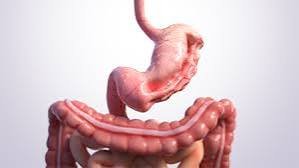
They may also suggest the procedure to monitor a known condition over time or to follow up on abnormal results from other tests. During an upper GI endoscopy, the specialist examines the lining of the esophagus, stomach, and the first part of the small intestine. This view allows them to detect inflammation and ulcers as well as narrowing or growths that might contribute to symptoms.
Diagnosing Conditions
An endoscopy uses a thin, flexible tube called an endoscope, which has a small camera and light attached to one end. Before the procedure, patients receive sedation to keep them comfortable, and the medical team monitors their vital signs throughout. The gastroenterologist guides the endoscope through the mouth and into the upper digestive tract, sending real-time images to a monitor.
This visual access helps the specialist spot subtle changes in the tissue that other tests might miss. When needed, the doctor can pass small instruments through the endoscope to collect tissue samples, which are then sent to a laboratory for closer analysis. The images and biopsy results together give the care team detailed information about the condition, supporting a more precise diagnosis.
Treating Conditions
Beyond diagnosis, endoscopy is also a tool for treatment. Certain procedures allow physicians to address problems during the same session, reducing the need for more invasive surgery in some cases. Here are two key treatments that endoscopies make possible:
Interventional Biliary Endoscopy
Interventional biliary endoscopy focuses on the bile ducts, which carry bile from the liver and gallbladder to the small intestine. Physicians use a specialized technique to reach these ducts and address blockages, narrowing, or stones. During the procedure, the specialist may use an endoscopic technique called the endoscopic retrograde cholangiopancreatography (ERCP). The ERCP technique allows surgeons to access the gallbladder, bile ducts, and pancreatic ducts. This approach targets problems that affect digestion and the processing of fats.
Sigmoidoscopy
Sigmoidoscopy examines the lower portion of the large intestine, including the rectum and the sigmoid colon. The physician inserts a flexible scope through the rectum to view this section of the bowel, similar to a colonoscopy but shorter. This procedure helps identify inflammation, polyps, or other changes in the lower digestive tract. In some situations, the specialist can remove small growths or take tissue samples during the examination through endoscopic techniques, which limits the number of separate visits a patient needs.
Schedule a Timely Endoscopy Screening
Persistent digestive symptoms often need medical attention, and an endoscopy is a direct way to view the digestive tract. If you have ongoing concerns such as chronic pain, reflux, or changes in your digestion, contact a gastroenterologist promptly. Early evaluation supports informed choices and allows specialists to monitor changes in your health over time. To determine if you need any screenings, contact a gastroenterologist for a consultation.