
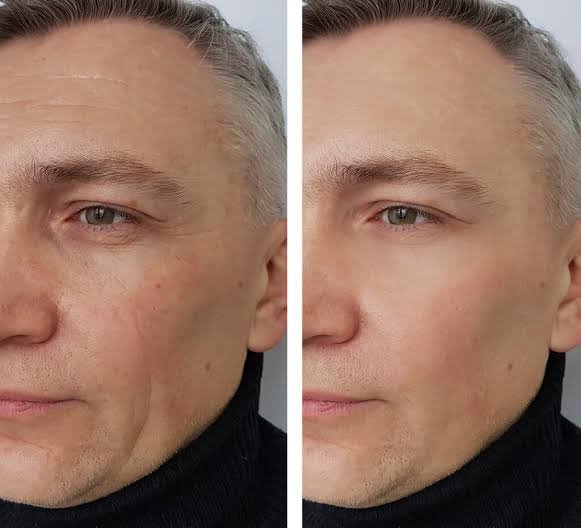
Botox procedures consist of carefully placed injections that temporarily relax targeted muscles responsible for facial lines and wrinkles. Before treatment, a qualified medical provider generally evaluates the patient’s concerns and reviews their medical history. Here is an overview of what happens during a Botox procedure:
Assessment and Consultation
The Botox process begins with a consultation. Your dermatologist reviews your medical history, asks about your goals, and examines the areas you want to treat. While you describe the lines that concern you, the provider assesses your facial structure and muscle movement to plan the Botox treatment. This step gives both you and the provider a clear picture of what to expect. During this stage, your provider explains the treatment options, and you can ask questions about the number of units or the areas involved. A thorough consultation helps you contemplate whether Botox aligns with your goals, and it lets your provider tailor a plan that suits your face.
Treatment Area Preparation
Preparation is a short but key part of the visit, and it helps create a clean and comfortable setting for the injections. Here is what patients can expect:
- Cleansing the skin: The provider cleans the target area to remove makeup, oil, and surface debris.
- Marking injection points: Small dots or lines map where each injection will go, guiding precise placement.
- Applying a numbing option: Some clinics offer a topical cream or cold pack to make the process more comfortable.
- Reviewing the plan: Your provider confirms the areas and dosage with you, so you know what to expect before the first injection.
Administration of Injections
Once the area is ready, your provider begins the injections, and this is the core of the Botox procedure. Using a fine needle, the dermatologist delivers small amounts of the product into the targeted muscles. People often report a brief pinching sensation, and the discomfort is generally mild and short-lived.
The number of injections depends on your goals, and areas like the forehead, frown lines, and crow’s feet often require several points. Your provider works methodically, moving from one mapped spot to the next, and they adjust the depth and angle for each muscle. This precision helps the treatment settle evenly across the area. Your provider may press gently on the sites, and they will give you specific guidance before you leave.
Results and Aftercare
Understanding the timeline for Botox procedures helps you set realistic expectations. Aftercare is simple, and following your provider’s instructions supports a smooth recovery. Here are some common practices that can help with aftercare:
- Avoid rubbing the area: Touching or massaging the treated spots can shift the product, so keep your hands away for the first day.
- Stay upright: Remaining upright for several hours helps the product stay in the intended muscles.
- Skip strenuous exercise: Heavy activity soon after treatment can increase blood flow, and providers often suggest waiting a day.
- Attend follow-ups: A follow-up visit lets your provider assess the results, and they can make adjustments if needed.
Effects typically last three to six months on average, and the muscles gradually return to their usual movement. Tracking how your face responds over time helps you and your dermatologist refine future treatments.
Book Your Botox Appointment Today
Botox is a safe and effective treatment for reducing the appearance of fine lines and wrinkles. It offers a non-invasive option to achieve a refreshed and youthful look. Understanding what to expect during the procedure, following proper aftercare, and maintaining regular follow-up appointments can help you maximize its benefits. Contact a qualified dermatologist near you to book your Botox appointment today.