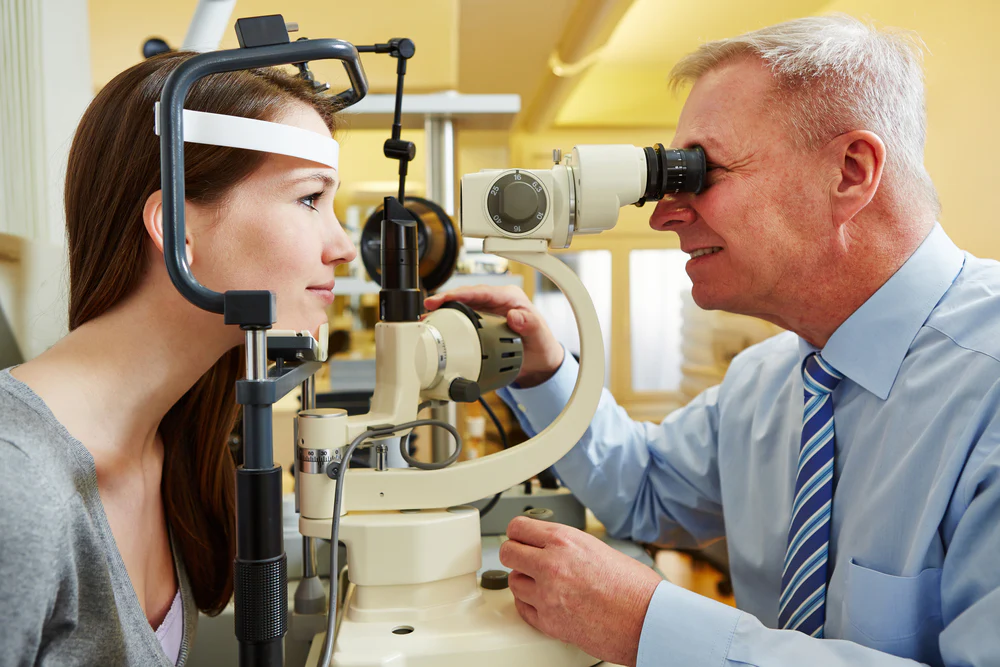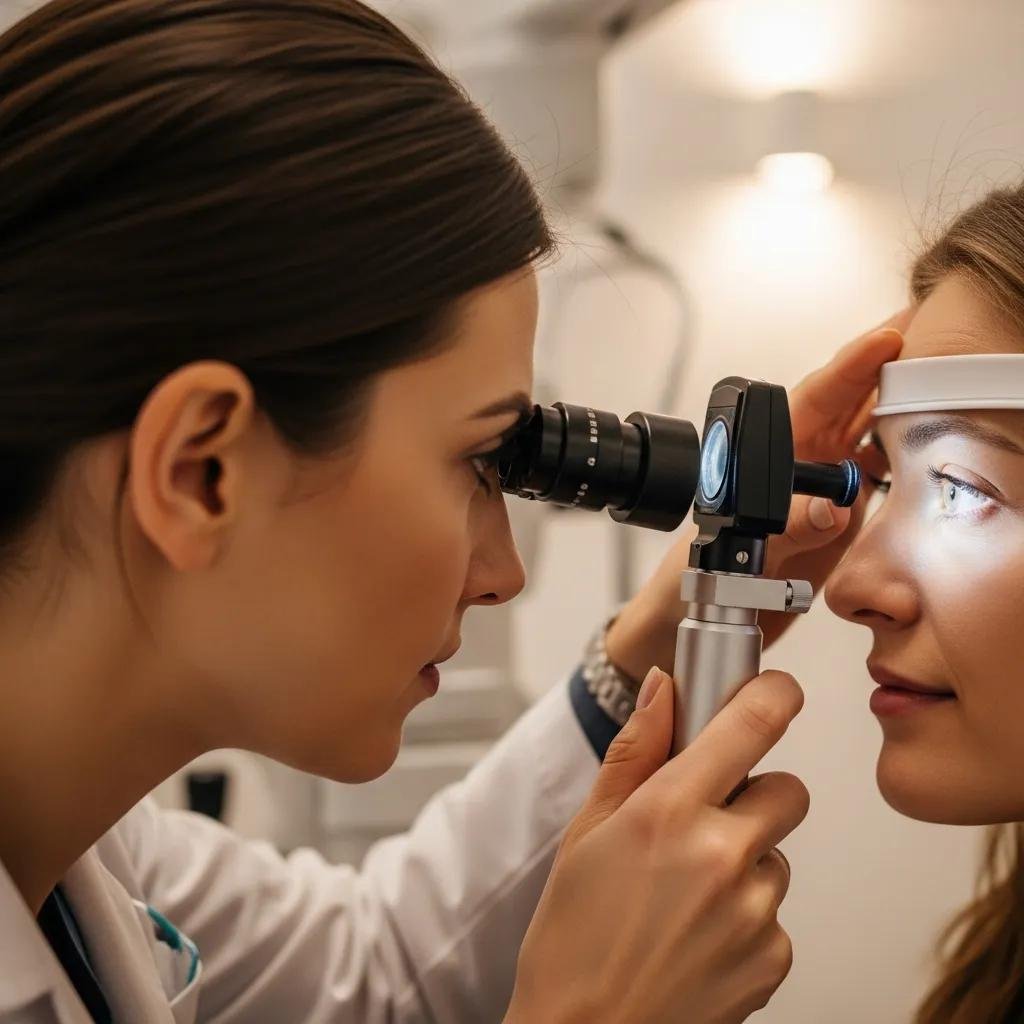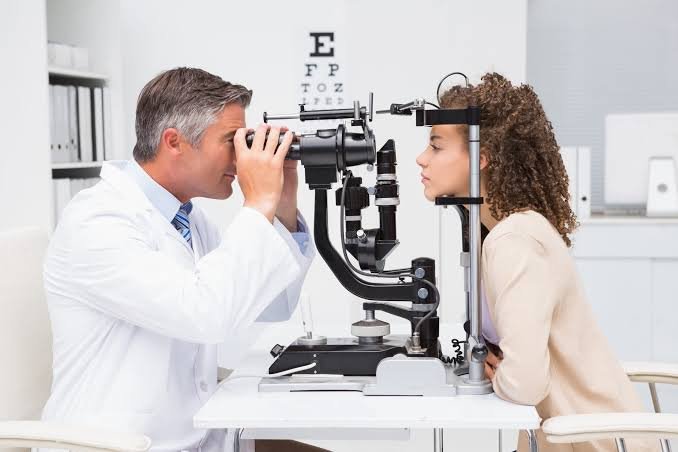
An optometrist is an eye doctor who assesses vision needs and identifies suitable options for correcting eyesight. They can help patients choose eyeglasses and contact lenses that support clear vision, comfort, and lifestyle needs. Here is more information on how an optometrist helps with finding the right eyeglasses and contacts:
Assess Your Vision Needs
Your appointment begins with a series of tests that measure how well you see at various distances. The optometrist checks your visual acuity, evaluates how your eyes work together, and records a precise prescription. These results form the foundation for eyewear decisions, and they help match lenses to your specific requirements. The optometrist also asks about symptoms you may have noticed; this information adds context to the test results. When the assessment is complete, you receive a clear explanation of your prescription and what it means for your daily vision.
Match Lenses to Your Lifestyle
Lens selection depends on how you spend your day, and an optometrist tailors recommendations to your routines. Someone who works at a computer has different needs than a person who drives frequently or plays sports. The optometrist reviews your activities and then suggests lens types that address those specific demands. Here are some common lens features an optometrist may discuss:
- Single-vision lenses: These correct one field of vision, and they suit people who need help seeing at a single distance.
- Progressive lenses: These blend multiple prescriptions into one lens, which helps people who need correction for near, intermediate, and far distances.
- Anti-reflective coatings: These reduce glare from screens and headlights, and they can make lenses more comfortable during extended use.
- Photochromic lenses: These darken in sunlight and clear indoors, so you carry one pair for changing conditions.
Select Comfortable Eyeglass Frames
Frame selection combines fit, function, and personal style, and an optometrist guides you toward frames that suit your face and prescription. A frame that fits well rests comfortably on your nose and ears, and it holds the lenses at the correct position for clear vision. The optometrist measures your pupillary distance, which is key to aligning the lenses with your eyes.
Style matters to some patients, and an optometrist helps you balance fashion with practicality. Heavier prescriptions may work better in smaller frames, while lighter prescriptions offer more flexibility. When you try frames, the optometrist evaluates how each one sits and whether it supports your lens type without slipping or pinching.
Evaluate Contact Lens Fit
Contact lenses require a different fitting process than glasses. The optometrist measures the curvature of your eye, records the size of your cornea, and selects lenses that match those dimensions. A proper fit helps the lenses stay centered, and it supports comfort throughout the day. Here are factors an optometrist evaluates during a contact lens fitting:
- Lens material: Different materials allow varying levels of oxygen to reach the eye.
- Replacement schedule: Daily, biweekly, and monthly lenses each have distinct care requirements.
- Handling and care: The eye doctor demonstrates how to insert, remove, and clean lenses to make sure you follow the correct steps at home.
- Follow-up check: A short review appointment confirms the fit is working, and it lets the eye doctor make adjustments if needed.
The optometrist may also schedule a trial period so you can test the lenses in real conditions.
Visit a Local Optometrist Today
Finding the right contact lenses involves several steps. An optometrist assesses your vision, matches lenses to your lifestyle, fits comfortable frames, and evaluates contact lenses with precision. A professional evaluation supports the health of your eyes and the effectiveness of your lenses. Contact a qualified optometrist in your locality to schedule your appointment today.
- Choosing a Heart Blockage Treatment Hospital: Emergency Care, Procedures and Long-Term Support
- Exploring the Benefits of Family Dentistry for All Ages
- The Role of TMS Therapy in Managing Anxiety Disorders
- The Role of Foot and Ankle Specialists in Sports Injury Recovery
- What To Expect During Your First Gynecologist Appointment