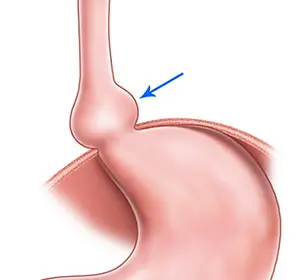
A hiatal hernia occurs when part of the stomach pushes through the diaphragm into the chest. Although this type of hernia may not cause noticeable symptoms, some individuals experience heartburn, acid reflux, chest discomfort, or difficulty swallowing. Here is what to know about recognizing a hiatal hernia:
Identifying Common Symptoms
Symptoms of hiatal hernia vary widely from person to person, and some people feel nothing at all. Heartburn is among the common signs, and it often intensifies after meals or when you lie down. You may also experience acid backing up into your throat, a sensation that leaves a sour taste and disrupts sleep.
Other signs include chest discomfort, trouble swallowing, and a feeling of fullness after small portions. Some people experience regurgitation of food, while others report shortness of breath during larger episodes. When these symptoms appear together, a specialist can determine whether a hernia is the cause and how far it has progressed.
Examining Hiatal Hernia Types
Doctors group hiatal hernias into distinct categories based on how the stomach shifts through the diaphragm. Understanding these differences helps you follow conversations with your care team. Here are the two main forms.
Sliding Hiatal Hernias
A sliding hernia is the most common type, and it occurs when the stomach and the lower esophagus slide up into the chest. This movement is often intermittent, so symptoms may fluctuate throughout the day. When reflux becomes frequent, a specialist can assess whether treatment is helpful.
Paraesophageal Hiatal Hernias
A paraesophageal hernia develops when part of the stomach pushes up beside the esophagus, while the lower esophagus stays in place. This type is less common, but it carries a higher risk of complications. In rare cases, the stomach can become trapped, which cuts off its blood supply and demands prompt attention. Surgeons often recommend closer monitoring or repair for this form.
Diagnosing a Hiatal Hernia
A diagnosis usually begins with a review of your symptoms and medical history, followed by a physical exam. Your doctor may order imaging or scope-based tests to confirm the hernia and measure its size. A barium swallow uses a special drink and X-rays to show how the stomach and esophagus move. An upper endoscopy lets the specialist view the inside of your esophagus and stomach with a thin, lighted tube. Some patients also undergo tests that measure pressure and acid levels along the esophagus.
Managing Symptoms and Complications
Management depends on the type and severity of the hernia, along with your overall health. Mild cases often respond to daily habits and medication, while larger or recurring hernias may call for surgery. A specialist reviews your situation and explains which approach fits your needs. The following options are common approaches:
- Dietary changes: Smaller and more frequent meals reduce pressure on the stomach, and avoiding trigger foods can ease reflux.
- Positioning adjustments: Staying upright after eating and raising the head of your bed may limit nighttime acid backup.
- Weight management: Reaching a healthy weight lowers abdominal pressure, which may reduce how often symptoms appear.
- Medication: Certain treatments calm acid production and protect the lining of the esophagus.
- Minimally invasive repair: Surgeons use small incisions and specialized tools to reposition the stomach and tighten the diaphragm opening.
- Robotic-assisted surgery: This method gives the surgeon enhanced precision and a detailed view.
Book Your Hernia Appointment Today
Hiatal hernias can lead to uncomfortable symptoms and potentially severe complications if left untreated. Effective management options range from lifestyle adjustments to advanced medical interventions such as minimally invasive surgery or robotic-assisted procedures. Each treatment plan is tailored to meet the specific needs of the patient, supporting optimal care and recovery. Contact a qualified healthcare provider near you to book your hernia appointment today.
- What To Expect During Your First Gynecologist Appointment
- How Hiring Plumbing Services in Glendale Prevents Slab Leaks
- How Historic Homeowners Utilize Plumbing Services in Portland to Prevent Winter Pipe Freezes
- The Role of Regular Check-Ups With Your Gynecologist
- Understanding the Benefits of Non-Surgical Spinal Decompression for Chronic Pain Relief