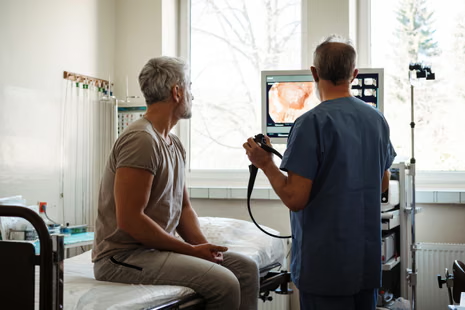
A colonoscopy is a widely used procedure for examining the health of the large intestine. Adults may encounter this examination at some point, and it is often part of routine health maintenance or in response to specific symptoms. Learning what the procedure entails can help you approach it with clarity, allowing you to understand what to expect.
What Is a Colonoscopy?
A colonoscopy is a diagnostic procedure that allows a physician to view the inner lining of the colon and rectum. During the examination, a gastroenterologist uses a colonoscope, which is a long, flexible tube fitted with a small camera and a light at its tip. The camera transmits real-time images to a monitor, and this gives the physician a detailed view of the intestinal wall.
The procedure serves two main purposes. It helps physicians detect changes or irregularities within the colon, such as polyps, inflammation, or other tissue abnormalities. It also allows for certain actions during the same session, such as removing growths or tissue samples for further analysis. The colonoscope may reach the full length of the large intestine, so the examination provides a thorough assessment that other tests are not able to offer.
What Does It Involve?
A colonoscopy typically unfolds in three stages: preparation, the procedure itself, and recovery. Preparation begins one to two days before the appointment. Patients are usually asked to follow a modified diet, and they take a prescribed cleansing solution. This step clears the colon so that the physician can see the intestinal lining without obstruction.
On the day of the procedure, patients are commonly given a sedative to promote relaxation. Once the medication takes effect, the physician gently inserts the colonoscope through the rectum, and they guide it through the colon. The examination itself usually lasts less than an hour.
If the physician identifies a polyp or an area of concern, it can often be removed or sampled during the same session. These tissue samples are then sent to a laboratory for closer study. After the procedure, patients rest in a recovery area until the effects of the sedation wear off. The medication may cause drowsiness, so arranging for someone to provide transportation home is a standard recommendation.
Why Is It Necessary?
Physicians recommend colonoscopies for several reasons, and one of the most common is screening for colorectal cancer. Detecting and removing polyps before they develop into something more serious is a central goal of routine screening. Many guidelines suggest that adults begin regular screening around a certain age, though the recommended timing can depend on personal and family medical history.
Beyond screening, a colonoscopy may be advised when a patient reports specific symptoms. These can include persistent changes in bowel habits, unexplained abdominal discomfort, rectal bleeding, or ongoing digestive irregularities. The examination helps a physician investigate the underlying source, and they may then guide further care. People with a family history of colorectal conditions can be directed toward earlier or more frequent examinations.
Meet With a Gastroenterologist
A colonoscopy is a dependable tool for evaluating the health of the large intestine; it may help identify concerns at an early stage. If you have questions about whether this procedure is right for your situation, a gastroenterologist can review your health background and explain the options available to you. Speaking with a specialist offers a direct path toward informed decisions about your digestive health and long-term well-being.
- What To Expect During Your First Gynecologist Appointment
- How Hiring Plumbing Services in Glendale Prevents Slab Leaks
- How Historic Homeowners Utilize Plumbing Services in Portland to Prevent Winter Pipe Freezes
- The Role of Regular Check-Ups With Your Gynecologist
- Understanding the Benefits of Non-Surgical Spinal Decompression for Chronic Pain Relief