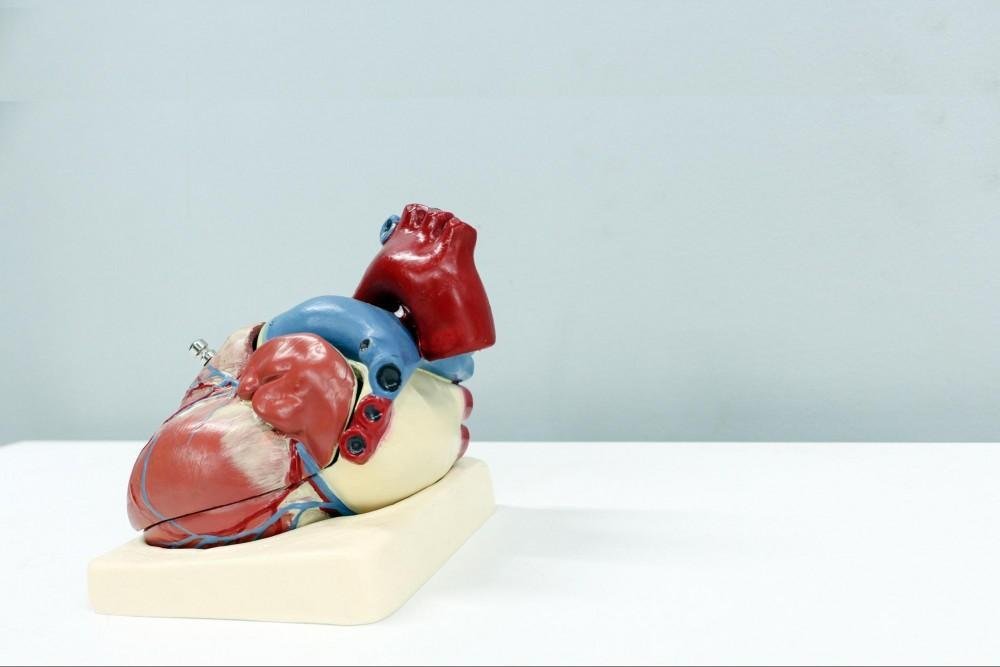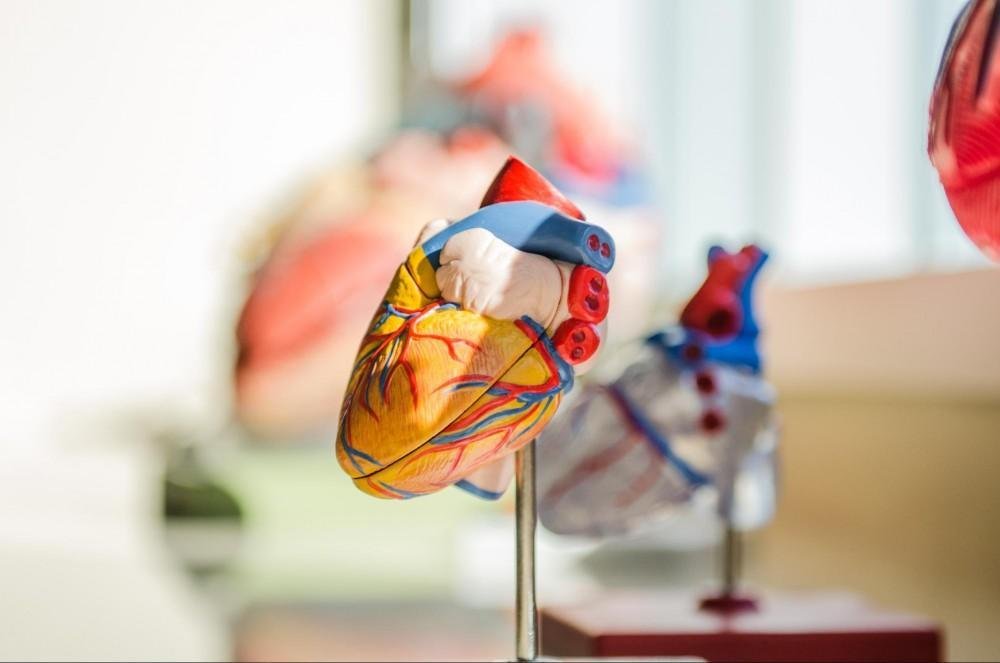

A congenital heart defect means part of your heart formed differently before birth. A cardiologist can diagnose these conditions, and they design treatment plans to address them. Because you may need medication, a procedure, or surgery, your cardiologist guides each step based on your specific defect.
Using Medications to Treat
Some defects respond to medicine before surgery becomes necessary. Your cardiologist uses your age, weight, and kidney function before selecting a drug. They monitor your response to see if the vessel is responding as expected. If the opening does not close after one course of medication, your cardiologist may recommend a second course or move to a procedure. Not all patients are good candidates for medication, and your cardiologist identifies this early. Your cardiologist selects the drug, monitors your response, and adjusts the approach if your body needs a different option.
Exploring Catheter-Based Procedures
Not every defect requires open surgery, and cardiologists often use less invasive procedures instead. These procedures reach the heart through blood vessels using thin, flexible tubes called catheters, allowing your cardiologist to work on your heart without opening your chest. Your cardiologist reviews imaging of your heart while discussing the size and location of the defect. This determines whether a procedure or surgery is the right path for you. Common catheter-based procedures include:
- Balloon widening: A small balloon expands inside a narrowed blood vessel to improve blood flow, and a small mesh tube called a stent may be placed to keep it open.
- Atrial septal defect closure: A small closing device is delivered through the catheter, carefully positioned, and secured to seal the hole.
- Patent ductus arteriosus closure: A catheter-based device can close the opening when the defect is suitable for this approach.
Repairing Complex Heart Defects
Complex defects often need surgical repair, and your cardiologist works closely with a cardiac surgeon to plan and complete the procedure. Together, they review your imaging, discuss risks, and map out the steps before the operation. Cardiologists and surgeons fix holes in the heart. To close these holes, surgeons use stitches or a patch. This stops blood from mixing between the two sides of your heart. They also repair a patent ductus arteriosus when medication does not close it. If a catheter-based procedure is not suitable, open surgery is the appropriate path.
A surgeon can repair or replace a faulty valve, restoring proper blood flow through your heart’s chambers. A repaired valve keeps its natural tissue, while a replaced valve uses a biological or mechanical one. Your cardiologist helps you understand the difference. Some defects involve blood vessels near the heart that are in the wrong place or formed abnormally. Surgeons correct these issues to restore proper circulation. Recovery from open heart surgery takes time, and your cardiologist monitors you closely.
Connect With Your Cardiologist Today
Your treatment depends on the type and severity of your defect. Schedule an appointment with your cardiologist, so you can review your options. Ask which approach fits your condition, and bring a list of your questions, because a clear plan helps you understand what comes next.
- Understanding the Role of Pediatric Orthopedic Specialists in Children’s Health
- Navigating the Process of STD Testing
- When Should You See an Orthopedic Specialist for Hand Pain?
- Understanding the Different Types of Chemical Peels and Their Uses
- The Science of Skin Elasticity: Unlocking Youthful Texture with Bioactive Peptide Complexes