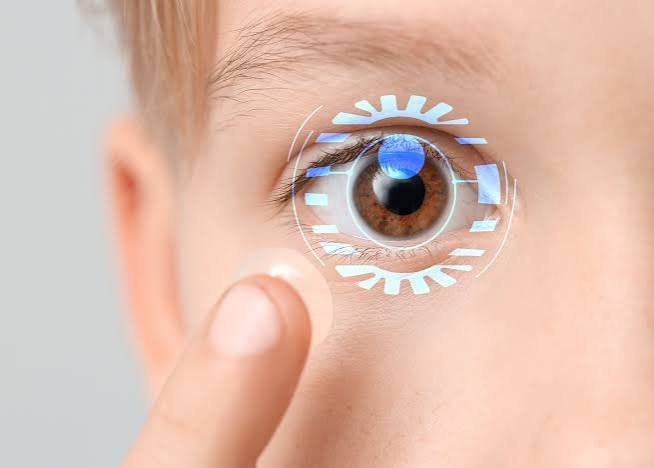
Contacts are corrective lenses worn directly on the eyes to improve vision. When contacts become dry, they may irritate the eye’s surface and cause redness, burning, or sensitivity to light. Here’s more information on recognizing symptoms of eye conditions related to dry contacts:
Noticeable Dry Eye Symptoms
Dry eye symptoms often appear gradually, and they can be easy to overlook at first. You may feel a mild scratchiness in the morning, but the discomfort grows as the hours pass, and your contacts lose moisture. Some people experience a gritty sensation, as if a tiny particle sits under the lens, while others notice their eyes water more than usual as a response to dryness. Redness, burning, and a stinging feeling can also point to reduced moisture on the eye’s surface.
Reduced Contact Lens Comfort
Your contacts should feel steady and unnoticeable, so any change in comfort is worth tracking. Watch for these changes as you wear your lenses throughout the day:
- Lens awareness: You feel the contacts on your eye when you normally would not, and this awareness may increase as the day continues.
- Slipping or shifting: The lens moves off-center or feels loose, which can happen when the tear layer thins out.
- Sticking sensation: The contacts feel glued to the eye, and blinking becomes uncomfortable.
- Frequent adjustment: You blink hard or rub your eyes often to reposition the lens, though the relief lasts only a short time.
- Shorter wear time: You once wore your contacts comfortably for a full day, but now you remove them earlier to ease discomfort.
Concerning Vision and Corneal Changes
Dryness can affect more than comfort. Your vision may turn blurry or hazy, and a quick blink may clear it for a moment before the blur returns. Some people notice glare or halos around lights, especially at night while driving, and this can make focusing harder. The cornea is the clear front layer of your eye, and it relies on moisture to stay smooth, so a dry surface may leave your sight inconsistent. Tracking these vision changes is helpful; it gives your eye care provider useful details during an exam. Fluctuating clarity that lines up with contacts often points to a moisture problem rather than a change in your prescription.
Urgent Eye Care Signs
Some symptoms require quick attention, and recognizing them helps you act before minor discomfort becomes complicated. Contact your eye care provider promptly if you notice any of the following:
- Sharp or lasting pain: Pain that does not fade after you remove your contacts may signal irritation on the eye’s surface.
- Ongoing redness: Redness that persists or worsens over time deserves a professional look.
- Sensitivity to light: Bright light that suddenly bothers you more than usual often indicates an underlying issue.
- Discharge or unusual watering: A cloudy or colored discharge is a signal to remove your lenses and seek care.
- Sudden vision loss: Any rapid drop in clarity that does not clear with blinking needs immediate attention.
Remove your contacts before you make an appointment, and avoid putting them back in until a provider examines your eyes.
Schedule Your Contacts Consultation Today
Dry contacts can cause various symptoms, including mild scratchiness and changes in comfort, vision, and eye health. Noticing dry eye cues, tracking lens comfort, and watching your vision support healthier wear. You should also recognize signs that call for prompt care. A professional exam can identify the fit and material that suit your eyes. Contact a qualified optometrist near you to book your consultation for contacts today.
- What To Expect During Your First Gynecologist Appointment
- How Hiring Plumbing Services in Glendale Prevents Slab Leaks
- How Historic Homeowners Utilize Plumbing Services in Portland to Prevent Winter Pipe Freezes
- The Role of Regular Check-Ups With Your Gynecologist
- Understanding the Benefits of Non-Surgical Spinal Decompression for Chronic Pain Relief