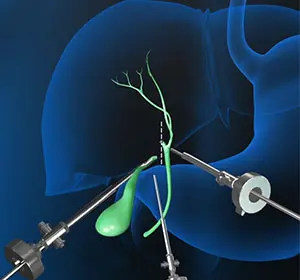
The gallbladder is a small organ, but its removal can have noticeable effects on daily life. Gallbladder removal alters bile flow and fat digestion, which sometimes causes symptoms like diarrhea, bloating, and discomfort. Patients can adapt by modifying diet, eating smaller meals, and following medical guidance. Here is more information on coping with digestion changes:
What Is Gallbladder Removal?
Gallbladder removal, also referred to as cholecystectomy, is a surgical procedure that eliminates the gallbladder from the body. The gallbladder sits beneath the liver, and it stores bile, a fluid produced by the liver that aids in fat digestion. Once the gallbladder is removed, the body adapts to processing food without it.
Why Is It Conducted?
Surgeons typically recommend gallbladder removal when the organ becomes problematic, and gallstones are a frequent cause. These hardened deposits block bile ducts. When left untreated, gallstones can trigger sharp pain, nausea, and infection, which may lead to serious complications such as cholecystitis or pancreatitis.
Other conditions may also necessitate removal; these conditions include gallbladder polyps, biliary dyskinesia (abnormal gallbladder function), and gallbladder cancer. The decision to operate depends on symptom severity. Since these conditions vary in complexity, the patient’s overall health is carefully evaluated before surgery is recommended. In some cases, surgical removal is the most effective long-term solution.
How Is Digestion Affected?
Without a gallbladder, bile flows directly from the liver into the small intestine. Rather than being stored and released in controlled amounts, bile drips continuously into the digestive tract, and this unregulated flow can overwhelm the system. Because the digestive system is no longer receiving bile in measured quantities, processing high-fat meals becomes challenging. This may lead to a range of gastrointestinal symptoms in the weeks following surgery.
Common digestive changes include:
- Diarrhea or loose stools
- Bloating and gas
- Nausea
- Indigestion
What Are Effective Coping Strategies?
Dietary modification is a practical first step after gallbladder removal; it can ease the digestive burden during recovery. Reducing fat intake also helps. Patients should focus on limiting saturated and trans fats, which place the greatest strain on the digestive system without a gallbladder to regulate bile flow. Smaller, more frequent meals spread throughout the day allow the body to process food more efficiently.
Introducing high-fiber foods gradually can support digestion, but pacing is key to avoid worsening symptoms. Soluble fiber regulates bowel movements. Found in foods such as oats, bananas, and carrots, soluble fiber can help reduce diarrhea, although increasing fiber intake too quickly has the potential to intensify bloating in some patients.
Staying well-hydrated supports overall digestive function. It helps compensate for fluid lost through loose stools. Patients also benefit from maintaining a food diary to identify personal dietary triggers, as caffeine, spicy foods, and dairy may worsen symptoms. Tracking these patterns allows for more targeted and effective dietary adjustments, and consulting a specialist helps develop an effective management plan.
Seek Professional Guidance Now
Adjusting to life after gallbladder removal benefits from certain coping strategies. Patients can experience a full return to normal digestion, and understanding why changes occur and how to address them makes the recovery process more manageable. If your symptoms persist, worsen significantly, or include severe abdominal pain and jaundice, consult your doctor promptly.
- What To Expect During Your First Gynecologist Appointment
- How Hiring Plumbing Services in Glendale Prevents Slab Leaks
- How Historic Homeowners Utilize Plumbing Services in Portland to Prevent Winter Pipe Freezes
- The Role of Regular Check-Ups With Your Gynecologist
- Understanding the Benefits of Non-Surgical Spinal Decompression for Chronic Pain Relief