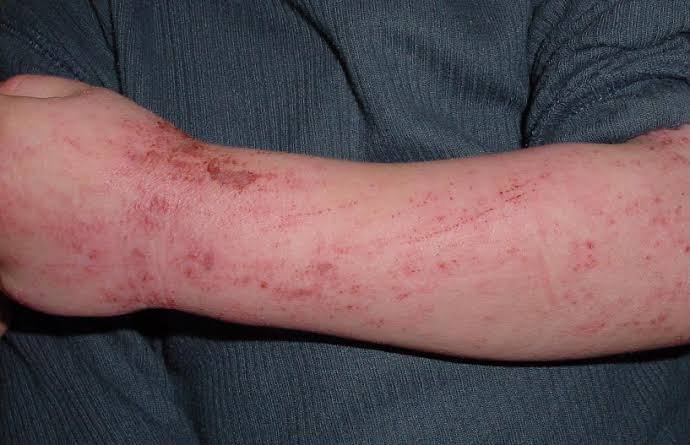
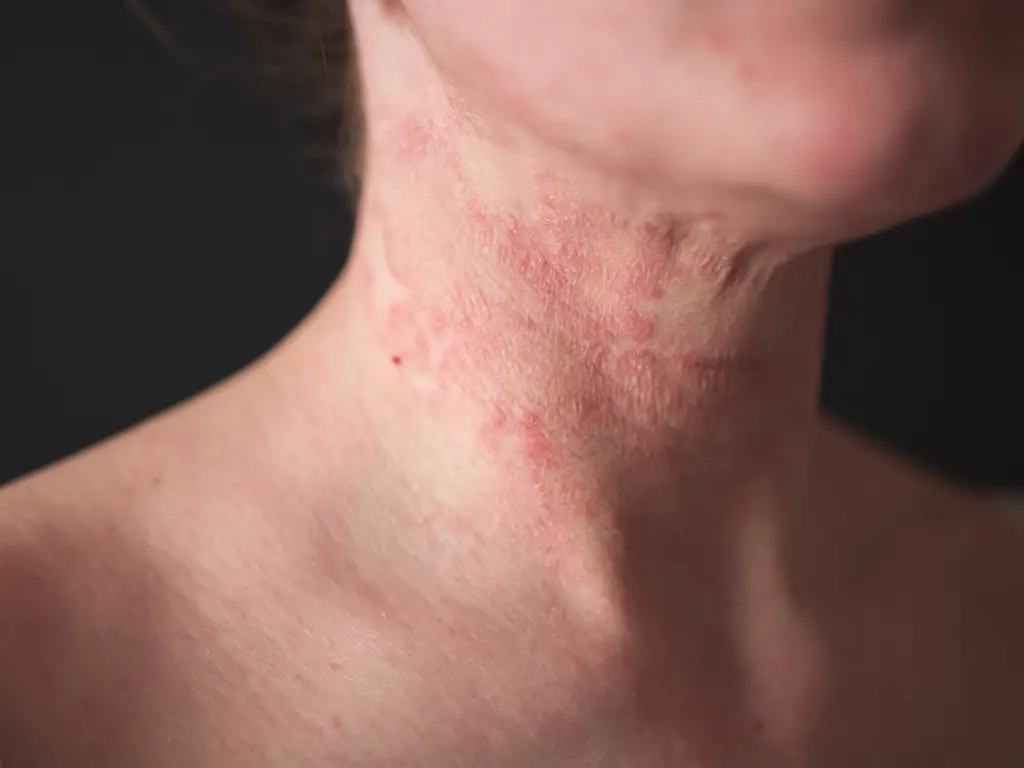
Skin that turns red, dry, or itchy can point to several conditions, and eczema is a common reason. People who live with eczema may also notice reactions to certain foods, pollen, pet dander, or household products. This overlap can lead to the question: are eczema and allergies linked? The two often appear together, but they are not the same thing.
What Is Eczema?
Eczema is a term used to describe a group of skin conditions that cause inflammation, dryness, and irritation. The most widely recognized form is atopic dermatitis, and it frequently begins in childhood but can affect people of any age. The condition tends to come and go, with periods of flare-ups followed by stretches of clearer skin.
Common signs of eczema include:
- Patches of dry, scaly, or rough skin
- Itching that is persistent, which may worsen at night
- Redness or discoloration on affected areas
- Bumps that may leak fluid when scratched
- Skin that thickens after repeated irritation
Eczema can appear on the hands, face, inner elbows, and behind the knees, but it is possible to develop nearly anywhere. Researchers connect the condition to a combination of genetics and a weakened skin barrier. When the outer layer of skin cannot hold moisture well, it becomes more prone to dryness and reacts strongly to irritants in the environment. Family history plays a role, so people with relatives who have eczema, asthma, or hay fever may be more likely to develop it.
Are Allergies Related to It?
Eczema and allergies share a close association. Both conditions involve the immune system responding in an exaggerated way to certain substances, which are usually harmless. In eczema, a compromised skin barrier can allow allergens and irritants to enter more easily, and this triggers inflammation.
People with eczema may also experience a pattern in which a person develops eczema early in life and later shows signs of related conditions such as food allergies, hay fever, or asthma. The presence of one condition does not guarantee the others, but the connection appears in clinical observation. Several allergens are reported as potential triggers for eczema flare-ups. Certain foods, including dairy, eggs, and nuts, have been linked to flare-ups as well, particularly in younger patients.
How Is Eczema Treated?
Diagnosis usually begins with a physical examination of the skin, as well as a review of your medical and family history. A dermatologist looks at the appearance, location, and pattern of the affected areas. There is no single test that confirms eczema, so providers rely on visible signs and reported symptoms. Patch testing or allergy testing may be recommended to identify substances that contribute to flare-ups.
Treatment focuses on calming inflammation, relieving discomfort, and protecting the skin barrier. Common approaches include:
- Moisturizers: Regular use of thick creams or other topicals helps the skin retain moisture.
- Medications: Providers may prescribe oral medication that reduces inflammation and itching.
- Trigger Management: Avoiding known irritants and allergens can lower the frequency of flare-ups.
A provider adjusts recommendations based on the severity of symptoms and how the skin responds over time.
Confer With a Dermatologist
Understanding the link between eczema and allergies provides insight into your skin health, but self-management has limits. A dermatologist can examine your skin, help identify possible triggers, and design a plan suited to your needs. Because eczema patterns shift with age, climate, and daily habits, ongoing guidance from a professional supports more comfortable skin over the long term.
- Understanding the Role of Pediatric Orthopedic Specialists in Children’s Health
- Navigating the Process of STD Testing
- When Should You See an Orthopedic Specialist for Hand Pain?
- Understanding the Different Types of Chemical Peels and Their Uses
- The Science of Skin Elasticity: Unlocking Youthful Texture with Bioactive Peptide Complexes