Losing a tooth can feel stressful, especially when it affects the front of your smile. Many people worry that they will have to wait for months before receiving a replacement tooth. A consultation with the team at http://www.premieroralnfacialsurgery.com/ can help determine whether same-day dental implants may offer a faster and more comfortable path.
This treatment allows a dentist to remove a damaged tooth, place an implant, and attach a temporary tooth during the same appointment. The final permanent tooth is fitted later, once the mouth has healed. Although the treatment is not right for everyone, it can provide excellent results for carefully selected patients.
What Are Same-Day Dental Implants
Same-day dental implants are designed to reduce the amount of time a patient spends without a tooth.
A traditional implant process may involve removing the tooth, waiting for the area to heal, placing the implant, and then waiting again before adding a crown. With a same-day approach, several of these steps are completed during one visit.
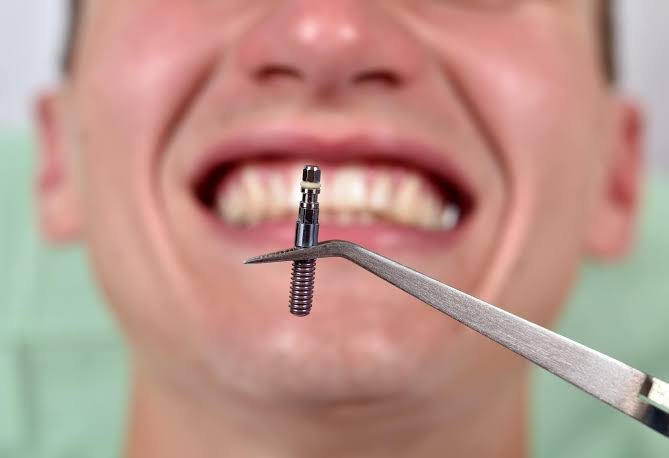
The implant itself is a small post, usually made from titanium, that is placed in the jawbone. It acts like an artificial tooth root. A temporary tooth is then attached so the patient can leave the dental office with a more complete smile.
The temporary tooth is mainly used for appearance and light function. Patients are normally told to avoid biting hard foods with it while the implant heals.
The First Step: A Detailed Dental Examination
A successful treatment begins with careful planning rather than the extraction itself.
The dentist will examine the teeth, gums, bite, and jawbone. Digital X-rays or a three-dimensional scan may be used to see the exact shape and strength of the bone. These images also help the dentist locate nerves, sinuses, and other important structures.
The dentist will review the patient’s health history as well. Certain health conditions, medicines, gum problems, or smoking habits may affect healing. This does not always mean that implants are impossible, but it may change the treatment plan.
Good dental implant services focus heavily on this planning stage. Choosing the correct implant size, angle, and position can improve comfort, appearance, and long-term stability.
Fun fact: Titanium is widely used for implants because the human body usually accepts it well, allowing bone to grow closely around it.
Removing the Damaged Tooth
Once the treatment plan is ready, the damaged tooth can be carefully removed.
The area is numbed with local anesthesia, so the patient should not feel pain during the extraction. In some cases, sedation may also be available for people who feel very nervous.
The dentist tries to protect as much healthy bone and gum tissue as possible. This is important because the implant needs strong support. The tooth may be divided into smaller sections so it can be removed with less pressure on the surrounding area.
After the tooth is removed, the empty space is cleaned. Any infected or damaged tissue must be taken away before the implant is placed.
Placing the Implant in the Jaw
The next part of the appointment involves positioning the implant in the bone.
The dentist creates a carefully measured space and inserts the implant post. It must be stable enough to support a temporary tooth. This early stability is one of the main factors that determines whether same-day treatment is possible.
Sometimes there is a small gap between the implant and the bone left by the removed tooth. Bone graft material may be added to support healing and help preserve the shape of the jaw.
The implant does not become fully attached to the bone immediately. That process happens slowly over the following weeks and months. It is known as osseointegration.
Fun fact: The word osseointegration simply describes the close connection that forms between living bone and the surface of an implant.
Receiving Temporary Teeth on the Same Day
After the implant is placed, the dentist can attach a temporary tooth when conditions are suitable.
The temporary crown is shaped and colored to look natural. It may be slightly adjusted so it does not take heavy pressure when the patient bites. Protecting the implant from too much force gives the bone a better chance to heal around it.
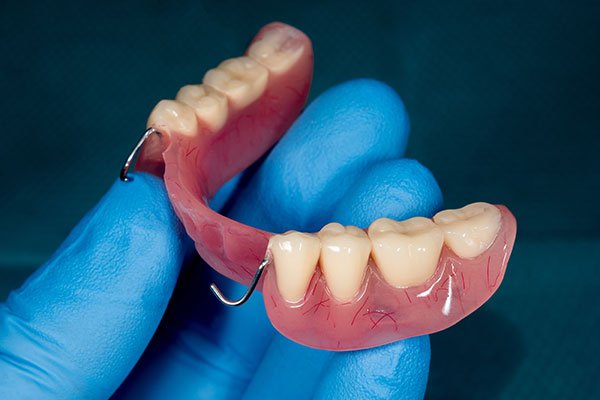
For a single missing tooth, one temporary crown may be fitted. For patients replacing several teeth, a temporary bridge may be attached to multiple implants. Some full-mouth treatments also use a small number of implants to support a full temporary set of teeth.
Patients should remember that “same-day teeth” does not always mean the final teeth. The temporary restoration is an important part of the process, but it will normally be replaced after healing.
Healing Without Hiding Your Smile
The healing period is still necessary, even though the patient leaves with temporary teeth.
Mild swelling, tenderness, or bruising may happen after treatment. These effects often improve within a few days. The dentist may recommend pain relief, gentle cleaning, and a soft-food diet.
Foods such as eggs, pasta, yogurt, soup, mashed vegetables, and soft fish are often easier to manage. Hard, sticky, and crunchy foods should usually be avoided near the implant.
Patients also need to attend follow-up appointments. The dentist will check the gums, implant stability, bite, and temporary tooth. Good daily cleaning is essential because healthy gums help protect the implant.
Smoking can slow healing and raise the risk of implant problems. Patients who smoke may be advised to stop before and after the procedure.
When Are the Permanent Teeth Fitted
The final crown or bridge is usually added after the implant has formed a strong bond with the jawbone, a process carefully monitored at Temecula Center for Dental Implants, Murrieta, CA.
Healing time can vary from one patient to another. It often takes a few months, depending on the treatment area, bone quality, number of implants, and general health. Once healing is complete, the dentist takes a digital scan or impression.
A permanent tooth is then created to match the shape, size, and color of the surrounding teeth. It is designed to provide better strength and long-term function than the temporary version. A well-made final restoration can look very natural. Because the implant sits in the jaw like a tooth root, it can also feel more secure than a removable replacement.
Who Is a Good Candidate
Not every patient can receive an implant and temporary tooth on the same day.
A good candidate usually has enough healthy jawbone, stable gums, and no uncontrolled infection. The implant must also be firm when placed. People with severe bone loss may need grafting and additional healing before an implant can safely support a temporary tooth.
Teeth grinding, heavy smoking, uncontrolled diabetes, and certain medical conditions can also affect the decision. A qualified dentist must judge each case individually.
Being told that same-day treatment is not suitable does not mean dental implants are no longer an option. A traditional implant plan may simply provide a safer and more predictable result.
A Faster Route to a Confident Smile
Same-day dental implants can make tooth replacement feel less disruptive. Patients may be able to have a damaged tooth removed, receive an implant, and leave with a temporary tooth during one planned visit.
The process still requires careful examination, skilled treatment, proper healing, and regular dental care. The temporary teeth must be protected until the implants become fully stable.
Professional dental implant services can guide patients through every stage, from the first scan to the final crown. For suitable candidates, this modern approach offers a practical way to restore appearance, improve confidence, and prepare for a strong permanent smile.
- Understanding the Role of Pediatric Orthopedic Specialists in Children’s Health
- Navigating the Process of STD Testing
- When Should You See an Orthopedic Specialist for Hand Pain?
- Understanding the Different Types of Chemical Peels and Their Uses
- The Science of Skin Elasticity: Unlocking Youthful Texture with Bioactive Peptide Complexes