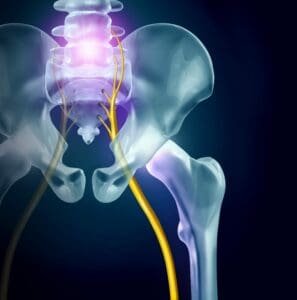
Sciatica causes pain, numbness, tingling, or weakness that travels from the lower back into the leg. Understanding its causes, symptoms, treatment options, and recovery process can help individuals make informed decisions about their care. Here are answers to some frequently asked questions about sciatica issues:
Which Symptoms Suggest Sciatica?
Sciatica symptoms often start in the lower back, but they rarely remain there. The pain generally travels through one buttock and down the back of the leg, and it usually affects only one side of the body. Some people feel a dull ache, while others experience a sharp jolt that intensifies when they sit, cough, or stand for long periods. Sciatica can also produce other sensations that signal nerve involvement. You may experience tingling, numbness, or a “pins and needles” feeling in your leg or foot. Muscle weakness sometimes accompanies these changes.
What Causes Sciatica?
Sciatica develops when pressure or irritation reaches the sciatic nerve, and several conditions can create that pressure. Understanding the source is a key step because the cause often influences the treatment plan. The following are common causes and risk factors of the condition.
Physical and Structural Causes
A herniated disc is a common trigger; this occurs when the soft center of a spinal disc pushes against the nerve. Bone spurs, spinal narrowing, and injuries can also compress the nerve root. These causes relate directly to the spine and its surrounding tissue.
Health-related and Lifestyle Factors
Daily habits and health conditions influence your risk, and some increase the chances more than others. Prolonged sitting, a sedentary routine, and jobs that involve heavy lifting can strain the lower back over time. Extra body weight adds pressure to the spine, and diabetes may affect nerve health and increase vulnerability.
Which Treatments Provide Relief?
A provider usually begins with a physical exam and a review of your symptoms; they may ask you to perform simple movements to locate the source. Imaging tests such as X-rays or MRI scans can reveal what presses on the nerve, though not every case requires them. This assessment helps distinguish sciatica from other conditions that cause similar leg pain.
Treatment options vary widely, and people often find relief without surgery. Conservative approaches often include stretching, guided exercise, and physical therapy; these methods aim to reduce pressure on the nerve. Some providers recommend heat or cold application, over-the-counter pain relief, or targeted movement routines. A provider tailors the plan to your specific cause, and they may adjust it as your symptoms change over time.
When Should You Seek Care?
Most sciatica cases improve with time and self-care, but certain signs require prompt attention from a professional. Watch for the following situations:
- Pain that lasts a long time: Persistent discomfort that does not ease with rest or basic care requires an evaluation.
- Sudden and severe pain: A sharp increase in intensity, especially after an injury, signals that you should contact a provider quickly.
- Numbness or weakness that worsens: Growing loss of feeling or strength in the leg may point to nerve involvement.
- Loss of bladder or bowel control: This symptom requires immediate care, because it can indicate a serious condition that affects nerve function.
- Pain after a fall or accident: Trauma to the back deserves a professional look to rule out structural damage.
Book Your Sciatica Appointment Today
Sciatica affects the sciatic nerve, and it can send pain, numbness, or weakness from your lower back into your leg. Recognizing the key symptoms, such as persistent pain, numbness, and weakness, is key for timely intervention. Addressing these warning signs early can prevent further complications and support effective management of the condition. Contact a qualified pain specialist near you to book your sciatica appointment today.
- Choosing a Heart Blockage Treatment Hospital: Emergency Care, Procedures and Long-Term Support
- Exploring the Benefits of Family Dentistry for All Ages
- The Role of TMS Therapy in Managing Anxiety Disorders
- The Role of Foot and Ankle Specialists in Sports Injury Recovery
- What To Expect During Your First Gynecologist Appointment