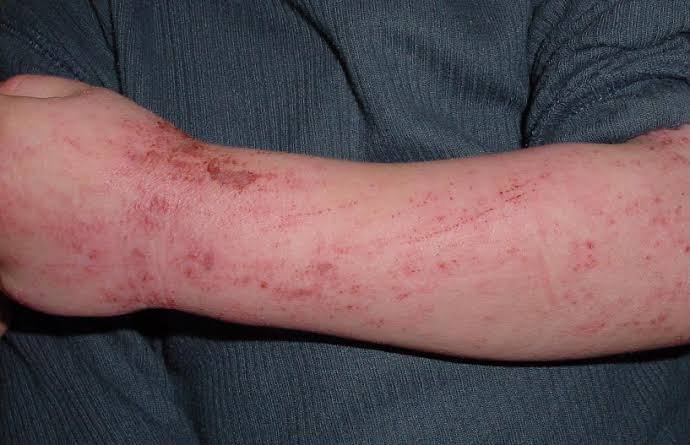
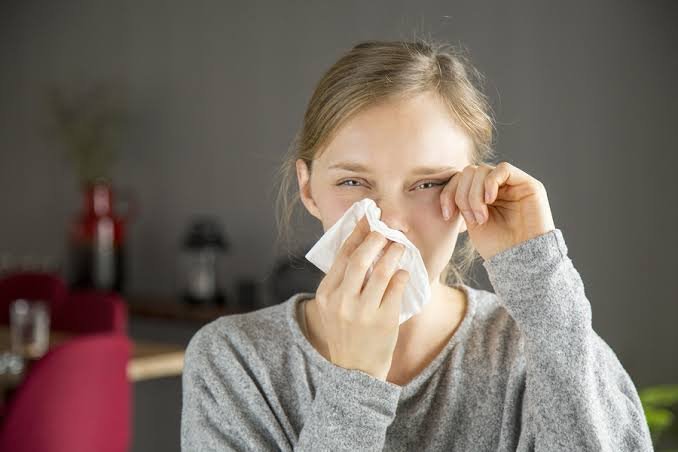
Dry eyes occur when your eyes lack enough moisture to stay comfortable. Your tears keep the surface smooth and wash away debris, and when it stops, your eyes feel gritty, itchy, or tired. These symptoms might grow worse during allergy season, which points to a deeper connection. Here is more information on the connection between allergies and dry eyes:
Evaporated Tears
Allergies disrupt the balance that keeps your tears in place, leading to dry eyes. A healthy tear film has several layers, and each one plays a role in comfort. When allergic inflammation thins the oily top layer, tears evaporate faster than your eyes replace them. This shortage leaves the surface exposed and dry.
You might notice these signs of tear evaporation:
- Persistent burning or stinging that worsens by afternoon
- Blurry vision that clears when you blink
- Sandy feeling under your eyelids
Environmental factors speed up the process. Wind, screens, and dry indoor air all pull moisture from your eyes. When you combine these triggers with allergies, symptoms often intensify. Staying aware of your surroundings helps you spot patterns early.
Allergic Inflammation
Allergens like pollen and pet dander irritate the surface of your eyes. Your body releases histamine, and this chemical triggers swelling in the tissues around your eyes. When inflammation sets in, the glands that produce tears struggle to work properly. This reaction leaves your eyes red and dry.
The inflammation also affects the glands along your eyelids. These glands make the oily layer that keeps tears from drying out too fast. Swelling blocks them, and your tear quality drops as a result. When the oil layer thins, moisture may escape more quickly than it should.
Rubbing itchy eyes makes the problem worse. Friction adds irritation, and it spreads allergens across the eye surface. When you rub often, the delicate tissue stays inflamed for longer periods. Cool compresses offer a gentler way to calm the itch.
Aggravated Conditions
Existing dry eye conditions grow more stubborn when allergies flare. Seasonal pollen adds a fresh layer of irritation, and it stacks onto problems you already manage. If you wear contact lenses, allergens trap against the surface and worsen dryness. This combination frustrates many long-term sufferers.
Certain habits and settings tend to aggravate symptoms further:
- Long hours staring at digital screens
- Direct ceiling fans or air conditioning aimed at your face
- Strong fragrances or smoke in the room
Adjusted Treatment Approach
Treating dry eyes tied to allergies requires more than one step. An eye doctor examines your tear film, and they check for signs of allergic inflammation. When both issues appear together, your plan targets each one directly. This dual focus addresses the root of your discomfort.
Your provider might combine several methods. Antihistamine drops calm the allergic response, while lubricating drops restore surface moisture. If inflammation runs deep, prescription options reduce swelling in the glands. As every case differs, your treatment reflects your specific symptoms and history.
Address Dry Eyes Today
Allergies and dry eyes often feed off each other, but when you understand the link, you gain the tools to break that pattern. A proper exam reveals which factors drive your symptoms most. Schedule an appointment with an eye care provider and describe the symptoms you notice. When you act early, you give your treatment plan a stronger start, so reach out today to have your dry eyes evaluated.
- Understanding the Role of Pediatric Orthopedic Specialists in Children’s Health
- Navigating the Process of STD Testing
- When Should You See an Orthopedic Specialist for Hand Pain?
- Understanding the Different Types of Chemical Peels and Their Uses
- The Science of Skin Elasticity: Unlocking Youthful Texture with Bioactive Peptide Complexes