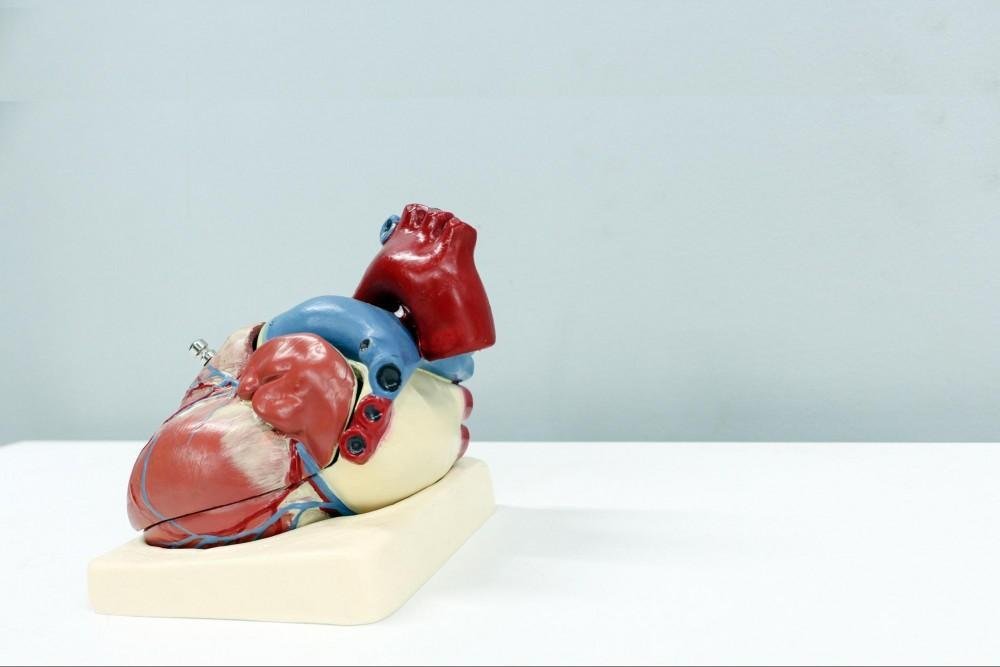

The heart beats roughly 100,000 times a day, and maintaining its health requires professional care. An echocardiogram gives cardiologists a detailed, real-time view of how the heart is functioning, which delivers precise diagnostic information. It also helps eliminate the need for invasive procedures. Here is more information on what an echocardiogram is and how it affects heart health:
What Is an Echocardiogram?
An echocardiogram is a non-invasive imaging test in cardiology, and it uses high-frequency sound waves (ultrasound) to produce detailed images of the heart. It captures the heart’s chambers, valves, walls, and connected blood vessels in real time. Since the technology functions similarly to a standard ultrasound, cardiologists can assess both the structure and function of the heart without invasive procedures.
Several types of echocardiograms exist, and each serves a distinct diagnostic purpose. A transthoracic echocardiogram (TTE) is a common type; it is performed by placing a transducer on the chest, which makes it well-tolerated by most patients. A transesophageal echocardiogram (TEE) involves guiding a probe down the throat, which provides a closer and more detailed view of the heart’s internal structures. A stress echocardiogram is performed before and after physical exertion to evaluate how the heart performs under pressure.
Why Is It Conducted?
Cardiologists order echocardiograms for a wide range of reasons; the test can detect abnormalities in the heart’s size, shape, and pumping capacity, providing data that other tests do not capture. Additional reasons for an echocardiogram include:
- Diagnosing heart valve disease, heart failure, or cardiomyopathy
- Monitoring the progress of a known heart condition
- Evaluating the heart after a heart attack
- Investigating unexplained symptoms such as chest pain
Echocardiograms may also be used before and after cardiac surgeries to assess the heart’s condition and measure the effectiveness of treatment. The information gathered informs treatment decisions.
What Does the Process Involve?
A standard transthoracic echocardiogram typically takes between 40 and 60 minutes. The patient lies on an examination table while a trained technician applies a gel to the chest, and a handheld device called a transducer is moved across the chest to capture sound waves. These sound waves, which bounce off the heart, generate images that are displayed on a monitor.
The technician may ask the patient to shift positions or hold their breath briefly to obtain clearer images during the procedure. The test is painless, and it carries no radiation exposure, which makes it a safe diagnostic option. A cardiologist later reviews the results, and they discuss the findings with the patient during a follow-up consultation.
How Is Heart Health Affected?
An echocardiogram does not treat heart conditions directly; it provides diagnostic information that helps guide treatment plans. Cardiologists measure the heart’s ejection fraction, which is the percentage of blood pumped out with each beat, and this allows them to assess how efficiently the heart is working. Readings outside a normal range may indicate heart failure or other conditions. Early detection is key to effective intervention. Early detection of abnormalities also gives cardiologists the opportunity to intervene before a condition worsens.
Learn More About Heart Health
An echocardiogram is a non-invasive diagnostic tool that plays a central role in the detection and management of heart conditions. The test provides the information needed to guide care decisions, and understanding this process supports active participation in health management. If you are looking to learn more about your heart health, speak with a cardiologist.
- Understanding the Role of Pediatric Orthopedic Specialists in Children’s Health
- Navigating the Process of STD Testing
- When Should You See an Orthopedic Specialist for Hand Pain?
- Understanding the Different Types of Chemical Peels and Their Uses
- The Science of Skin Elasticity: Unlocking Youthful Texture with Bioactive Peptide Complexes