A sports injury can affect athletes and active individuals at any level. Early evaluation helps identify the injury and supports an appropriate treatment plan. Recognizing symptoms, using preventive strategies, and seeking care help support a safe return to activity. Here is more information about preventing and treating common sports injuries:
Recognizing Common Sports Injuries
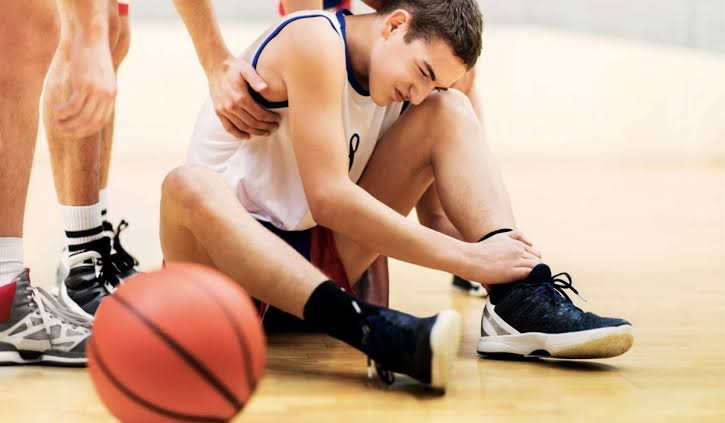
Sports injuries typically fall into two categories: acute injuries and overuse injuries. Acute injuries happen suddenly after impacts, falls, or awkward movements. Overuse injuries develop gradually from repeated stress on muscles, tendons, and joints. Common sports injuries include:
- Sprains and tears: Affect ligaments and soft tissues after sudden movements or impacts.
- Tendon injuries: Develop from repetitive stress and may affect areas such as the shoulder or elbow.
- Stress injuries: Result from repeated strain and often involve bones or surrounding tissues.
- Cartilage injuries: Occur from wear, trauma, or movements involving twisting and pivoting.
- Muscle strains: Affect muscles after overstretching or excessive force.
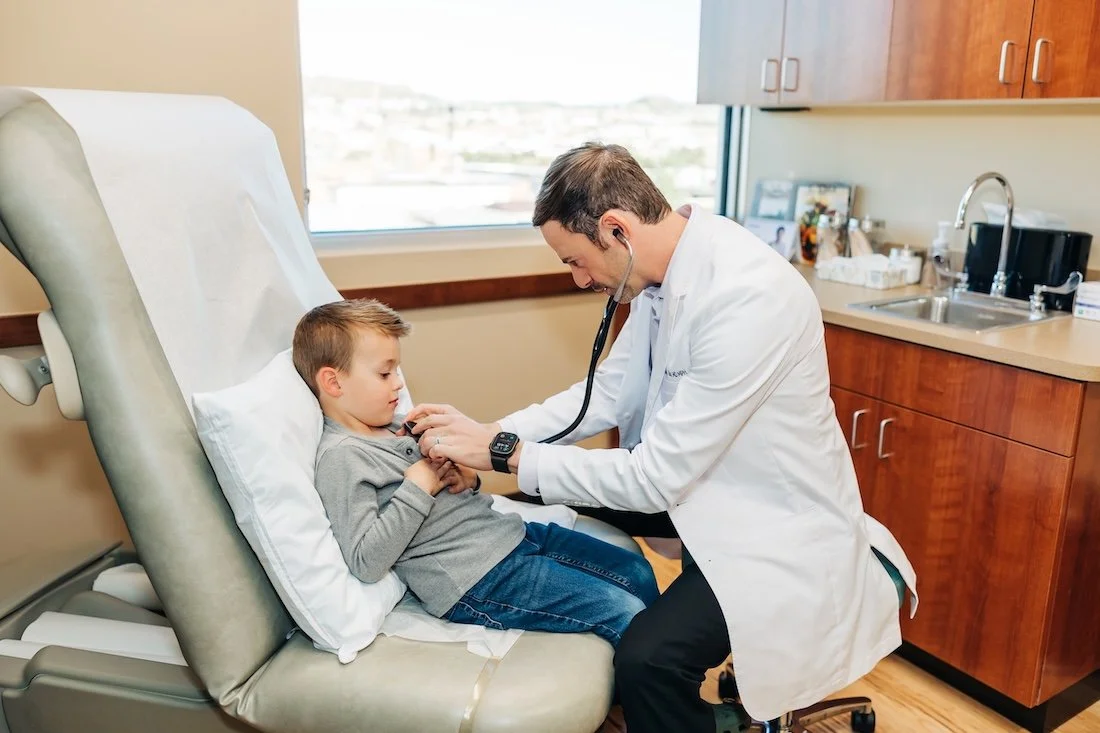
The type of injury depends on the sport, activity level, and movement patterns involved. Head injuries, fractures, and joint injuries require careful evaluation before returning to activity. A healthcare provider can assess symptoms, identify the injury, and recommend appropriate treatment based on the athlete’s condition.
Preventing Sports Injuries
Athletes can use several strategies to support injury prevention during physical activity. A proper warm-up prepares muscles, joints, and connective tissues for movement. Dynamic exercises before activity and stretching afterward is able to support flexibility and recovery. Rest days also give the body time to recover between workouts and training sessions.
Strength training helps build support around areas affected by repeated movement. Cross-training introduces different activities that reduce repeated stress on specific muscle groups and joints. Athletes can combine these approaches to create balanced training routines that support long-term physical activity.
Treating Sports Injuries
Initial care for mild to moderate sports injuries often includes the R.I.C.E. method: rest, ice, compression, and elevation. These steps help support the early management of swelling and discomfort after an injury. Applying ice for short periods and elevating the affected area help during the first stages of recovery.
When symptoms continue, a healthcare provider is able to evaluate the injury and recommend additional treatment options. Sports injury care may include:
- Medication and therapy: Use anti-inflammatory medications and physical therapy to support recovery.
- Injections: Provide options such as nerve blocks, joint injections, and trigger point injections.
- Advanced treatments: Explore options such as spinal cord stimulation or regenerative medicine.
Treatment plans depend on the type and severity of the injury. Physical therapy can help improve strength, mobility, and movement patterns after an injury. A specialist creates a care plan based on each athlete’s specific condition and recovery goals.
Get Sports Injury Treatment Today
Persistent pain after a sports injury are able to require evaluation from a healthcare provider. An accurate diagnosis helps guide an appropriate treatment plan for recovery. Addressing injuries early can support a safe return to activity and daily routines. Schedule an appointment with a pain specialist today to discuss your symptoms and available treatment options.
- Understanding the Role of Pediatric Orthopedic Specialists in Children’s Health
- Navigating the Process of STD Testing
- When Should You See an Orthopedic Specialist for Hand Pain?
- Understanding the Different Types of Chemical Peels and Their Uses
- The Science of Skin Elasticity: Unlocking Youthful Texture with Bioactive Peptide Complexes