
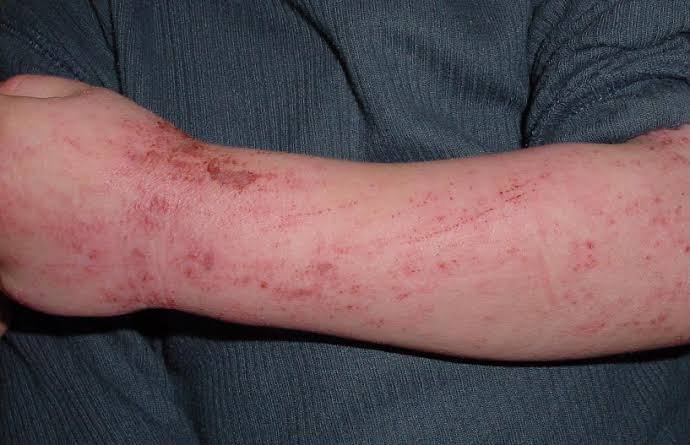
Food allergies are a common condition that can affect children and require careful evaluation and management. An allergist helps identify potential allergies, explains how they differ from other food-related conditions, and discusses testing and treatment options. Understanding allergies helps parents make informed decisions about their child’s care and daily routines. Here is more information about identifying and managing food allergies in children:
Identifying Common Food Allergens
Certain foods are more commonly associated with food allergies in children than others. A healthcare provider can evaluate symptoms, review a child’s medical history, and recommend testing when a food allergy is suspected. Common food allergens include:
- Cow’s milk: A common allergen during infancy and early childhood.
- Eggs: May cause allergic reactions in some children.
- Peanuts and tree nuts: Frequently evaluated when allergies are suspected.
- Wheat and soy: Will sometimes be associated with allergic reactions in some patients.
- Fish and shellfish: Can cause allergies in children and adults.
Food allergies affect each child differently, and reactions vary in type and severity. An allergist develops an individualized management plan based on the child’s diagnosis, symptoms, and lifestyle.
Recognizing Food Allergy Symptoms
Food allergy symptoms can vary from child to child and range from mild to more serious reactions. A child sometimes experiences skin, digestive, or respiratory symptoms after eating a food allergen, and a healthcare provider is able to evaluate these reactions to determine whether additional testing is appropriate. If food allergy symptoms occur, parents should contact their child’s healthcare provider to discuss evaluation, diagnosis, and an individualized management plan.
Understanding Anaphylaxis Risks
Some food allergies may cause a severe allergic reaction known as anaphylaxis. Symptoms sometimes develop quickly and are able to affect multiple body systems, making immediate medical attention necessary. Parents and caregivers should discuss emergency response plans with their child’s healthcare provider if a food allergy has been diagnosed.
A healthcare provider may prescribe an epinephrine auto-injector for children who are at risk for severe allergic reactions. Parents, caregivers, teachers, and other responsible adults should receive instructions on when and how to use the device. Following the child’s emergency action plan and seeking emergency medical care are steps if a severe allergic reaction occurs.
Comparing Allergies and Intolerances
Food allergies and food intolerances are different conditions that require different approaches to evaluation and management. A food allergy involves the immune system, while a food intolerance generally affects the digestive system and may produce different symptoms. An allergist is able to perform a comprehensive evaluation and recommend appropriate testing to help determine the cause of a child’s food-related symptoms.
Exploring Food Allergy Treatments
Food allergy treatment plans are tailored to each child’s diagnosis, symptoms, and medical history. Avoiding foods that trigger allergic reactions remains a part of managing food allergies. Families may also receive guidance on reading food labels, planning meals, and reducing the risk of accidental exposure.
For children who are at risk for severe allergic reactions, a healthcare provider is able to prescribe an epinephrine auto-injector as part of an individualized emergency action plan. Parents, caregivers, and school personnel can receive instructions on when and how to use the device. Regular follow-up appointments allow families to discuss changes in symptoms and update their management plan when needed.
Depending on the child’s condition, an allergist may also discuss treatment options such as oral immunotherapy (OIT) or sublingual immunotherapy (SLIT). These therapies are not appropriate for every patient, and eligibility is determined through a comprehensive evaluation. A personalized treatment plan helps guide care based on each child’s individual needs and treatment goals.
Schedule Your Food Allergies Appointment
Managing food allergies involves proper evaluation, personalized care planning, and ongoing guidance from an allergist. A healthcare provider can assess symptoms, discuss testing options, and recommend an appropriate approach based on your child’s needs. Schedule an appointment with an allergist today to discuss your child’s symptoms and available care options.
- Understanding the Role of Pediatric Orthopedic Specialists in Children’s Health
- Navigating the Process of STD Testing
- When Should You See an Orthopedic Specialist for Hand Pain?
- Understanding the Different Types of Chemical Peels and Their Uses
- The Science of Skin Elasticity: Unlocking Youthful Texture with Bioactive Peptide Complexes