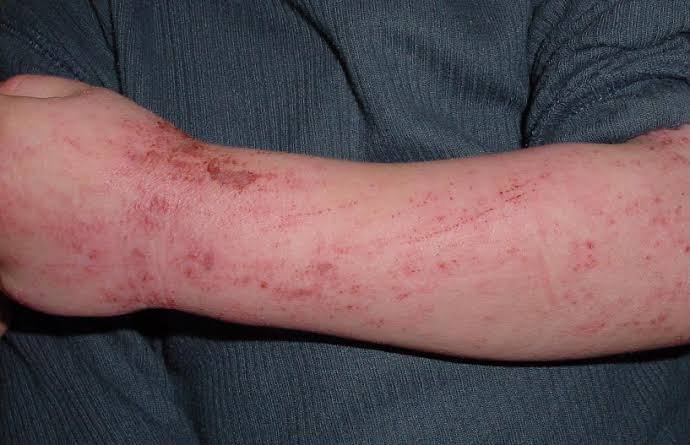

An allergy specialist, also called an allergist or immunologist, can diagnose and treat conditions related to allergies and the immune system. These doctors focus on how the body reacts to substances like pollen, food, medications, and insect stings. They perform tests and develop management plans for reactions that range from mild to severe. Here’s what to expect during your first visit with an allergy specialist:
Who Needs a Specialist
You might benefit from seeing an allergist if you experience frequent sinus infections, chronic congestion, recurring skin rashes, or breathing difficulties. A primary care doctor may also refer you to an allergy specialist when symptoms interfere with daily activities or when standard treatments no longer work. People with asthma often work with allergists to identify triggers and adjust their care. Those who have had a serious allergic reaction may especially need specialized attention, often due to allergies to:
- Foods
- Medications
- Insect Stings
Children and adults alike can develop new sensitivities, so any age can receive care from a specialist.
When To Get Tested
Many people schedule an allergy test appointment after noticing symptoms returning during specific seasons or after exposure to certain substances. Testing can help pinpoint the source of a reaction, and this information then guides treatment decisions. You may want to get tested if you cannot identify the cause of your symptoms or if your reactions become more frequent. An allergist can recommend the right type of test based on your history and current concerns. Keep in mind that certain medications, such as antihistamines, can affect test results, so your specialist may ask you to pause them before your appointment.
What The First Visit Is Like
Your first visit to a specialist usually begins with a detailed conversation about your health history. The specialist will ask about your symptoms, when they occur, and how they affect your routine. After the discussion, the allergist may perform a physical examination. This often includes checking your nose, throat, ears, and skin for signs of a reaction. Depending on your situation, the specialist may recommend skin testing or blood testing during this first visit.
Bring a list of your current medications, past reactions, and any questions you have prepared in advance. This helps your consultation stay focused. Skin testing involves placing small amounts of common allergens on your skin, and the doctor then observes how your body responds. Results appear within a short period, allowing the specialist to discuss the findings before you leave
If further evaluation is needed, your allergist may schedule additional appointments or request other tests. The first visit typically lasts longer than a routine checkup, so plan your schedule accordingly. By the end of the appointment, you should have a clearer picture of your situation and possible next steps. The specialist will explain any findings in plain language and outline options for managing your symptoms. This first meeting sets the foundation for ongoing care and helps you understand your body’s responses more fully.
Find an Allergy Specialist Near You
To manage your recurring allergy symptoms effectively, start working with an allergy specialist near you. Start by asking your primary care doctor for a referral or by checking with your insurance provider for a list of covered specialists in your area. Many hospitals and medical groups maintain directories that let you search by location and specialty. Different allergies need different treatment plans, so contact a specialist to determine what could work for you.
- Understanding the Role of Pediatric Orthopedic Specialists in Children’s Health
- Navigating the Process of STD Testing
- When Should You See an Orthopedic Specialist for Hand Pain?
- Understanding the Different Types of Chemical Peels and Their Uses
- The Science of Skin Elasticity: Unlocking Youthful Texture with Bioactive Peptide Complexes