
Back and neck pain is a common physical complaint. These sensations may appear suddenly after a specific event, or they develop gradually over weeks and months. The discomfort remains mild and resolves on its own for some, and for others, it persists and begins to affect daily activities. Learning how this pain develops, which methods may help manage it, and when professional care becomes appropriate helps to support better long-term physical health.
What Causes Back and Neck Pain?
Back and neck pain can stem from a wide range of sources. Muscle strain is a common cause. Lifting heavy objects incorrectly or overexerting during physical activity can stretch or tear muscles and ligaments, producing sharp or aching pain that limits movement. Injuries from accidents or sports also play a role. A car collision may cause whiplash; this is a condition that affects the neck when the head snaps forward and backward quickly. Direct trauma to the back can injure discs, joints, or nerves.
Degenerative conditions become more common with age. The discs that cushion the vertebrae can wear down over years of use, and this is sometimes referred to as degenerative disc disease. Arthritis in the spine may cause the joints to become inflamed and stiff. Herniated discs, in which the soft center of a disc pushes outward, can press on nearby nerves and produce pain that radiates into the arms or legs.
What Activities Alleviate Pain?
Gentle movement may support the muscles that hold the spine in place, and stretching aims to ease tension in tight muscles. Before starting any new routine, a conversation with a professional helps match activities to a person’s specific situation. Slow side-to-side turns and gentle tilts toward each shoulder can promote flexibility for the neck.
For the lower back, several stretches may be used. The knee-to-chest stretch involves lying on the back and drawing one knee toward the chest at a time. The cat-cow stretch encourages mobility, and it is performed on hands and knees while arching and rounding the spine. A gentle seated forward bend may also relieve stiffness.
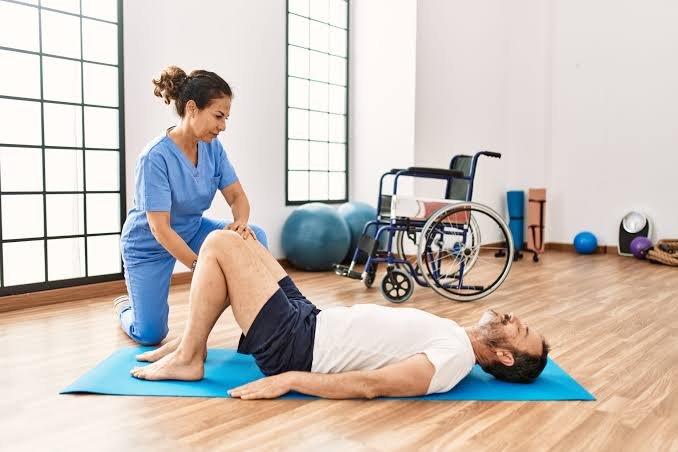
Strengthening exercises can support the core and back muscles that stabilize the spine. Bridges build strength in the lower body and back; this is the exercise where the hips lift into the air while lying on the back. Low-impact activities, such as walking, swimming, and stationary cycling, keep the body moving without placing heavy stress on the joints.
What Does Treatment Entail?
Certain signs suggest that professional care is appropriate. Pain that persists or worsens over time, or fails to respond to rest and gentle movement, warrants attention; numbness or weakness in the arms or legs may point to nerve involvement. Pain that follows a serious accident, along with symptoms such as fever, unexplained weight loss, or loss of bladder or bowel control, calls for prompt medical evaluation.
Treatment approaches vary based on the cause and severity of the pain. A provider typically begins with a physical examination, and they may utilize imaging tests such as X-rays or an MRI. Conservative options often come first. These can include physical therapy, medication, and adjustments to daily habits. Some patients benefit from targeted injections that reduce inflammation or disrupt nerve signals. In cases where other methods do not bring relief, a specialist may discuss further procedures.
Consult a Pain Management Specialist
Back and neck pain affects people in different ways, and no single approach suits everyone. A pain management specialist can assess your symptoms, identify possible causes, and develop a plan suited to your needs. These providers focus on both relieving discomfort and restoring function, drawing on a range of treatment methods to support recovery.