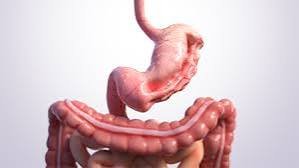
An upper endoscopy examines your esophagus, stomach, and the first part of your small intestine. Your gastroenterologist may recommend one to investigate swallowing difficulties or persistent heartburn, and the results guide your diagnosis. When you know what to expect, it can help you be prepared before your appointment.
Steps for Procedure Preparation
Preparation begins several hours before your endoscopy appointment. Your doctor will ask you to stop eating and drinking beforehand. You should share your full medication list. Let your doctor know about any allergies, so the team can plan accordingly. Logistics matter as much as physical preparation. Having a companion means you can rest afterward without added stress.
Wear comfortable clothing on the day, and leave valuables at home. Before the procedure, a nurse will review your health history and answer any questions. This is a good time to mention symptoms like persistent heartburn, trouble swallowing, or any GERD or esophageal conditions. Sharing these details helps your doctor know what to look for during the exam. They make sure your care is tailored to your needs.
Techniques and Samples
A nurse will place a small IV line for sedation, while your team checks your comfort level. This medication helps you relax, and it minimizes discomfort throughout. Your doctor guides a thin, flexible tube called an endoscope through your mouth and into your digestive tract. Your doctor examines each section of your upper digestive tract, including the esophagus, stomach lining, and upper small intestine. If any areas look unusual, your doctor will take a closer look. Tissue samples, called biopsies, may be collected using small tools passed through the endoscope. These samples are sent to a lab for analysis. The most common additional techniques include:
- Esophageal manometry: Measures pressure and muscle function to identify swallowing disorders or motility issues
- Endoscopic ultrasound (EUS): Uses sound waves to image deeper tissue layers, including walls of the digestive tract and nearby organs
- ERCP: Examines bile and pancreatic ducts and can treat blockages or gallstones in the same session
Findings After Your Procedure
Recovery starts as soon as the tube is removed. You will rest in a monitored area while the sedation wears off. Staff will check your comfort and vital signs. Plan to take it easy and rest at home, and have someone available if you need anything. Most patients can return to normal activities and a regular diet the next day, unless their doctor advises otherwise. Your doctor will review initial findings before you leave. Biopsy results will follow within a few days once the lab completes its analysis. If you notice severe pain, contact your care team right away. Look for difficulty swallowing, fever, or unusual bleeding, so you can alert your provider as soon as you notice.
Book an Endoscopy Today
An upper endoscopy gives your doctor clear answers about your digestive health. If you experience ongoing heartburn or trouble swallowing, this procedure can pinpoint the cause. Early findings support effective treatment. Experienced gastroenterologists work to keep your procedure comfortable, so you move forward. Contact your local office today to discuss your symptoms, and you can take the next step toward relief.