Dental pain can occur outside of regular office hours, so many emergency dentists offer dental care for these situations. A knocked-out tooth, severe infection, or sudden trauma are conditions that all require prompt action. Here is more information about dental emergencies and how to handle them after hours:
Understanding Dental Emergencies
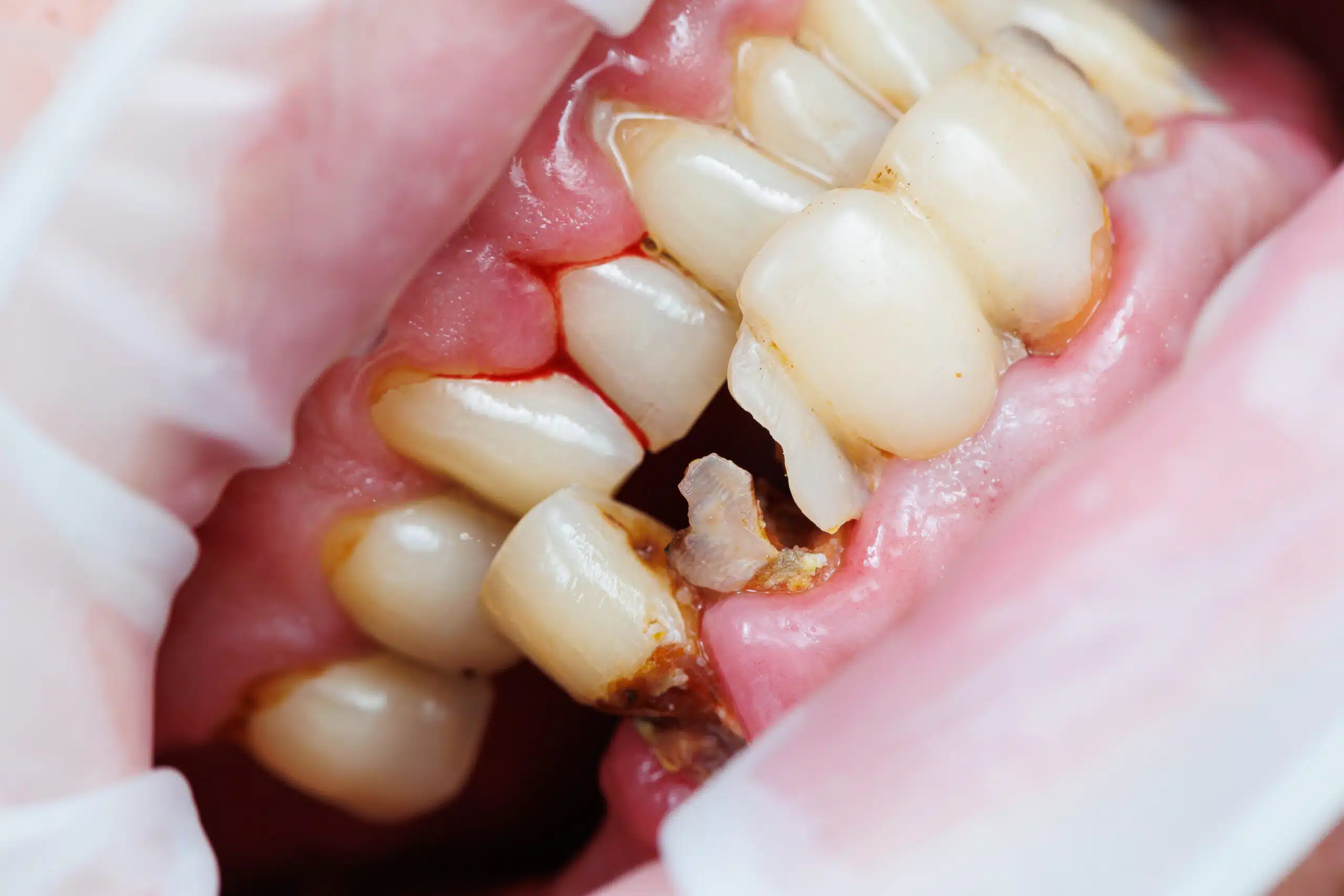
An emergency dentist treats conditions that cannot wait until regular business hours without risking permanent damage or serious complications. Dental emergencies include knocked-out teeth, cracked or fractured teeth, severe toothaches, lost fillings or crowns, and soft tissue injuries. Some dentists offer after-hours emergency care because delaying treatment for these conditions may lead to tooth loss; it can also lead to worsening pain that no over-the-counter remedy adequately addresses.
Treating Knocked-out Teeth
Teeth can be knocked out due to sports injuries, accidental falls, or blunt trauma to the face. If your tooth is knocked out, pick it up by the crown and rinse it gently with water without scrubbing. Place the tooth back in the socket if possible, or store it in a clean container of milk or between your cheek and gum to keep it moist. Drying out reduces the chance of successful reimplantation. Prompt action helps save the tooth, and getting to a dentist within 30 minutes increases the chances of preserving it.
Upon your arrival at the clinic, the dentist first assesses the condition of the avulsed tooth and the surrounding tissues. If the tooth is intact and the socket is viable, they will clean the area carefully and attempt to reimplant the tooth into its original position. The tooth may be stabilized using a splint to connect it to neighboring teeth; this helps keep everything in place while the surrounding structures heal.
Identifying Emergency Root Canal Symptoms
Symptoms that may indicate the need for an emergency root canal include:
- Severe, throbbing toothache that does not subside
- Prolonged sensitivity to heat or cold
- Darkening or discoloration of the tooth
- Swelling or tenderness in the surrounding gums
- A persistent pimple-like bump on the gums near the tooth
During an emergency root canal, the dentist removes the infected pulp from inside the tooth, cleans the root canals, and seals the area to prevent further infection. Before you get to the dentist, you can manage discomfort by taking over-the-counter pain relievers as directed on the packaging and applying a cold compress to the outside of your cheek. You should also avoid very hot or cold foods and drinks. These steps reduce discomfort but do not treat the underlying problem, so call your dentist for further instruction and care.
Recognizing Signs for Emergency Care
Some situations call for immediate attention, even if the pain seems manageable. You should seek emergency dental care if you notice:
- Uncontrolled bleeding in the mouth that does not stop after about 10 minutes of applied pressure
- Significant swelling in the jaw, neck, or face that may indicate spreading infection
- A broken tooth with sharp edges causing injury to your tongue or cheeks
- A severe toothache accompanied by fever, which can signal an abscess
Find an Emergency Dentist
Dental emergencies span a wide range of situations, from knocked-out teeth and emergency root canals to uncontrolled bleeding and signs of serious infection. Responding promptly in each situation preserves your dental health, and it helps prevent complications that could require more extensive treatment later. If you want to learn more about emergency dental services, consult a dental provider near you.
- Understanding the Role of Pediatric Orthopedic Specialists in Children’s Health
- Navigating the Process of STD Testing
- When Should You See an Orthopedic Specialist for Hand Pain?
- Understanding the Different Types of Chemical Peels and Their Uses
- The Science of Skin Elasticity: Unlocking Youthful Texture with Bioactive Peptide Complexes