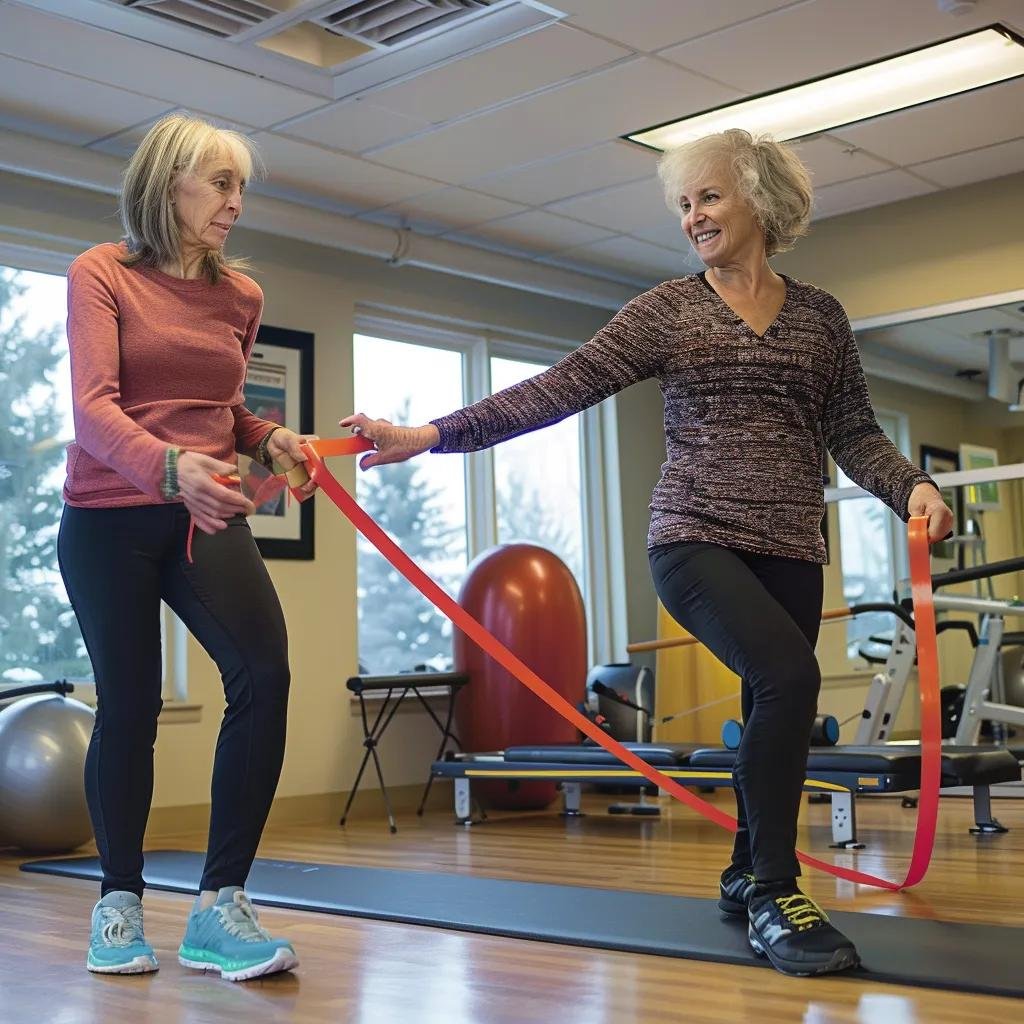
Cancer pain can affect mobility, strength, sleep, and a person’s ability to complete daily activities. When approved by a healthcare professional, regular exercise may reduce discomfort, improve physical function, and support overall well-being during and after cancer treatment. Here are the benefits of regular exercise in managing cancer pain:
Easing Physical Discomfort
Gentle, regular movement helps the body stay active, and it can reduce the stiffness that often builds during periods of rest. When you move within safe limits, your joints and muscles work through their full range of motion, which may reduce the tightness that contributes to daily discomfort. A specialist will tailor each activity to your condition, so the effort matches what your body can handle. Certain low-impact activities are appropriate for people managing cancer pain, and a specialist will recommend the right ones for you. Here are some common options:
- Walking: Short and steady walks keep circulation active and support gentle muscle use.
- Stretching: Slow stretches help maintain flexibility and reduce stiffness in key areas.
- Water-based exercise: Movement in water reduces pressure on joints while keeping the body active.
These activities give you starting points, though your care team will adjust them to fit your current strength and comfort.
Restoring Strength and Mobility
Cancer treatment can leave muscles weaker than before, and long rest periods often make this worse. Structured exercise rebuilds strength gradually, so you regain the ability to complete tasks that once felt difficult. A specialist sets clear, realistic goals, and each session builds on the last, with your progress guiding the pace. Mobility matters for everyday living, and regular movement helps you keep it. When you practice controlled exercises, your balance and coordination can improve, which lowers the risk of falls during recovery. Your care team monitors your response and modifies each plan as your strength changes.
Improving Mood and Sleep
Living with cancer pain can disrupt sleep, and poor rest often makes discomfort harder to manage. Regular physical activity supports a more relaxed routine. A specialist can suggest the best time of day to exercise, so your activity supports rest rather than working against it. Here are ways regular exercise may support your well-being during treatment:
- Reduced tension: Gentle activity helps release physical tension that builds during stressful periods.
- Improved focus: Consistent movement can support clear thinking and attention.
- Sense of routine: A regular schedule gives structure to days that treatment often disrupts.
Your specialist will help you set expectations that match your situation.
Protecting Daily Independence
Independence means completing daily tasks without relying heavily on others, and exercise supports this goal. When you maintain strength and mobility, activities like dressing, cooking, and moving around the home stay within reach. A specialist designs a plan that targets the movements you use most, so your training connects directly to real needs. This focus on practical function is key to keeping your daily life manageable. A patient who practices standing exercises may find it easier to rise from a chair over time. Your care team tracks these milestones and adjusts the plan as your capacity grows.
Schedule Your Cancer Pain Appointment
Regular exercise, guided by a specialist, can ease physical discomfort and restore strength and mobility. It also supports better mood and sleep, and protects your daily independence. Movement is one of several helpful tools, and a professional makes sure your program stays safe. Contact a qualified pain management specialist near you to schedule your appointment for cancer pain today.
- What To Expect During Your First Gynecologist Appointment
- How Hiring Plumbing Services in Glendale Prevents Slab Leaks
- How Historic Homeowners Utilize Plumbing Services in Portland to Prevent Winter Pipe Freezes
- The Role of Regular Check-Ups With Your Gynecologist
- Understanding the Benefits of Non-Surgical Spinal Decompression for Chronic Pain Relief