Knee pain conditions affect the joint, surrounding muscles, ligaments, and cartilage. Physical therapy is one approach that may support recovery and help people work toward improved function. Some common causes of knee pain include acute injuries such as ligament tears and meniscus damage, degenerative conditions like osteoarthritis, and overuse from repetitive activities. Here’s information on physical therapy plans and how they support knee recovery:
Focusing on Bracing
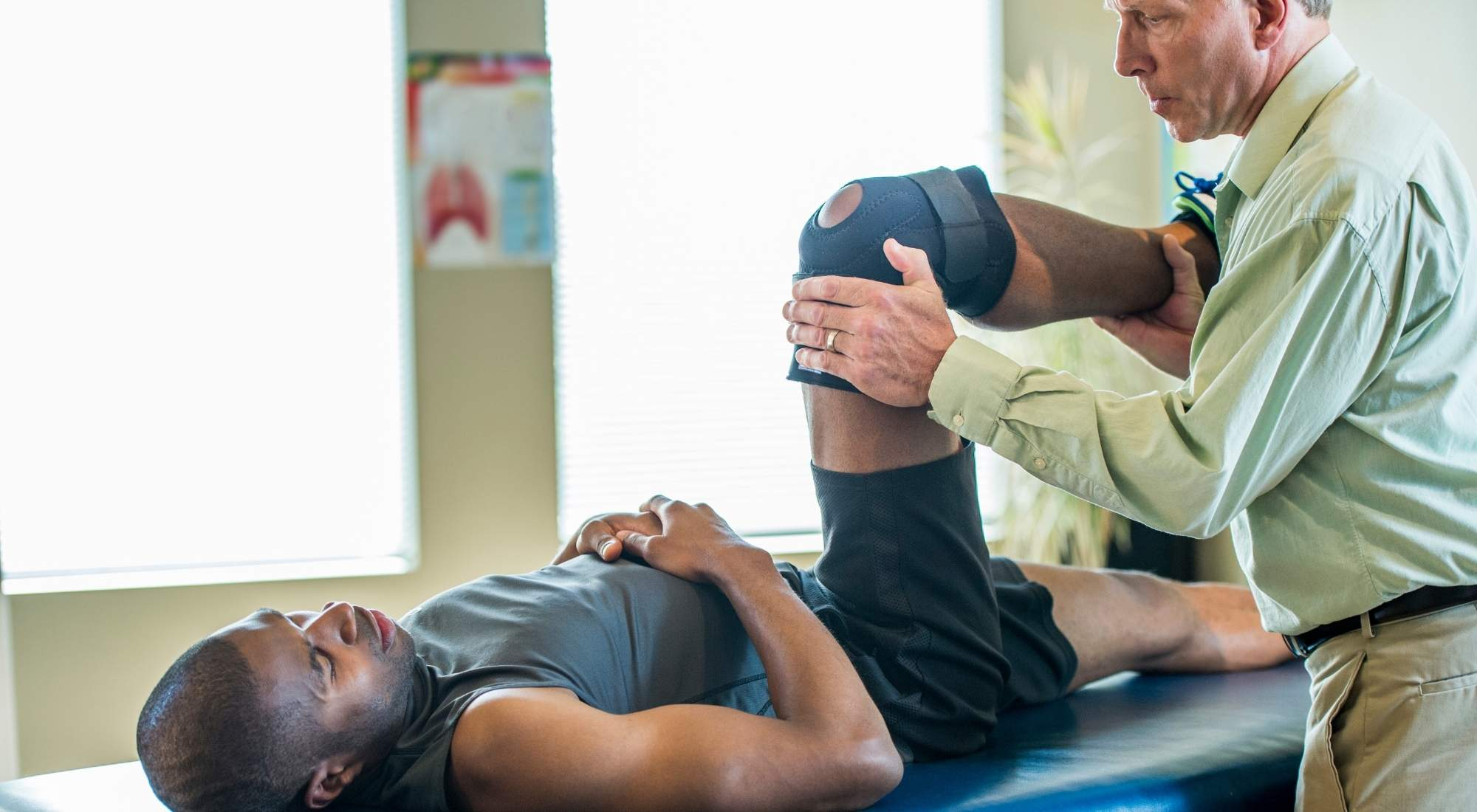
Bracing is included in many knee pain recovery plans. A brace can add stability to the joint, limit certain movements, and reduce strain on affected areas. Physical therapists may recommend different types of braces depending on the condition, but the appropriate choice often depends on the location and severity of the knee problem. Some braces are designed to control side-to-side motion, while others focus on cushioning the kneecap. Therapists typically fit the brace to the individual and explain how and when to wear it, often helping during the initial healing period.
Trying Joint Mobilization
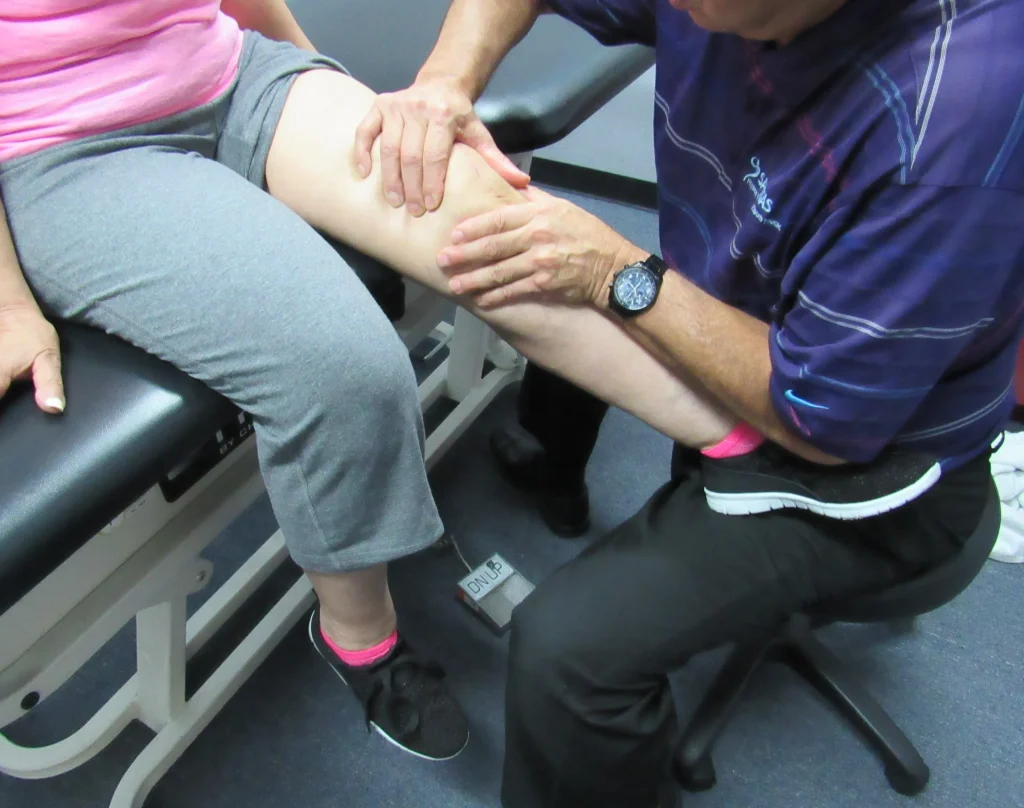
Joint mobilization involves controlled, hands-on techniques applied by a trained therapist that encourage movement within the joint to address stiffness. These techniques use varying degrees of pressure and speed, and the therapist adjusts them based on individual responses. During a joint mobilization session, a physical therapist may focus on several elements, such as:
- Encouraging Joint Mobility With Gentle Movements
- Addressing Knee Tightness With Soft Tissue Massage
- Targeting Pressure To Specific Points of Restriction
- Assessing Range of Motion Before and After Treatment
Each technique is applied within every individual’s range of motion. Therapists monitor progress across sessions and modify their approaches as needed.
Implementing Targeted Exercises
Targeted exercises are the central part of most physical therapy programs. These exercises aim to build strength, improve flexibility, and support the muscles that surround the knee. A therapist will develop a routine based on an individual’s condition and progress, and the program often changes over time.
Strengthening exercises focus on the muscles that support the knee, including the:
- Quadriceps
- Hamstrings
- Hip Muscles
Stronger surrounding muscles may help distribute load across the joint. Therapists start with low-resistance movements and gradually increase intensity as the person progresses. Examples include seated leg lifts, wall sits, and step-ups performed with proper form.
Flexibility exercises address stiffness and help maintain joint mobility, so they are implemented early on. By using gentle stretches for the muscles surrounding the knee and controlled bending and straightening movements, physical therapists encourage greater joint flexibility. Range-of-motion exercises are often introduced early in a knee recovery program, and consistency with these exercises is key during recovery.
Manage Your Knee Pain Effectively
Physical therapy brings together several methods to support knee pain recovery, from bracing to targeted exercise plans. Bracing can add stability, joint mobilization addresses stiffness through hands-on techniques, and targeted exercises work to strengthen and improve flexibility around the joint. Each element has a distinct purpose, and a therapist combines them into a plan suited to your individual needs. If you’re experiencing knee pain that limits your daily activities, contact a physical therapist at a pain center today. They can evaluate your situation, explain the available options, and help you understand what a structured recovery program might involve.
- Understanding the Role of Pediatric Orthopedic Specialists in Children’s Health
- Navigating the Process of STD Testing
- When Should You See an Orthopedic Specialist for Hand Pain?
- Understanding the Different Types of Chemical Peels and Their Uses
- The Science of Skin Elasticity: Unlocking Youthful Texture with Bioactive Peptide Complexes