Depression affects many people, and some may find relief through therapy, medication, or a combination of both. Standard treatments do not produce the expected results for some patients. When several approaches have been tried without success, a person may be dealing with a form of depression that calls for a different strategy, such as Spravato.
What Is Treatment-resistant Depression?
Treatment-resistant depression describes a situation where major depressive disorder does not respond adequately to standard therapies. In clinical settings, this term applies to a person who has tried at least two different antidepressants without symptom improvement. The experience varies from person to person. Some individuals notice partial relief that fades over time, and others see little change despite following their treatment plan closely.
Symptoms may vary, including persistent low mood, loss of interest in activities, changes in sleep or appetite, and difficulty concentrating. Treatment-resistant depression relates to how an individual’s body and brain respond to specific medications. Each person’s biology differs, so a treatment that helps one individual may not help another. This is why medical providers can explore alternative options when first-line approaches fall short.
What Is Spravato?
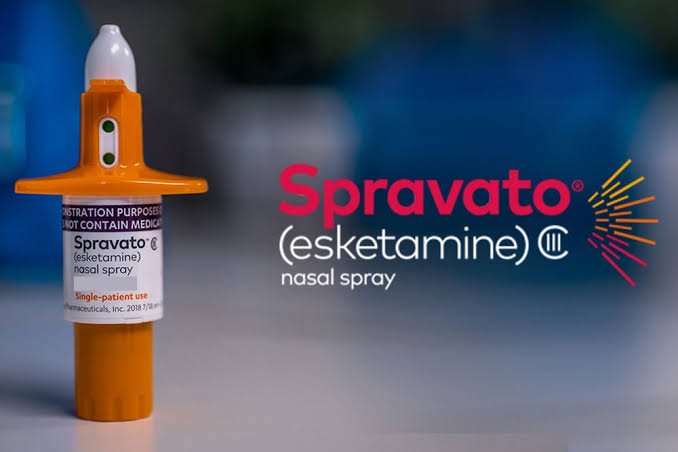
Spravato is a brand name for esketamine, a prescription medication delivered as a nasal spray. It is approved by the U.S. Food and Drug Administration for patients with treatment-resistant depression, and in certain cases for depressive symptoms in adults with major depressive disorder who also have suicidal thoughts or behavior. Spravato may be used alongside an oral antidepressant rather than on its own.
Esketamine acts on the brain differently from traditional antidepressants. Common antidepressants may target certain chemical messengers, such as serotonin or norepinephrine. Esketamine interacts with a receptor system connected to glutamate; this is another chemical messenger involved in mood regulation and communication between brain cells.
Because of how it works, Spravato is not dispensed for use at home. It is given only in a healthcare setting under the supervision of a medical professional, and this allows providers to monitor patients during and after each dose. Any discussion of whether this medication is appropriate should take place with a provider who can review your full medical history.
What Does Treatment Involve?
Treatment with Spravato follows a structured schedule set by a healthcare provider. During each session, the patient self-administers the nasal spray while a medical professional observes. The medication can cause temporary effects that require observation before leaving, so the patient remains at the facility for a period of monitoring.
Treatment may begin with sessions given more than once per week during an initial phase, followed by less frequent visits as the plan progresses. The exact schedule depends on the individual and the provider’s assessment. Providers track response over time, and they can adjust the plan as needed.
Seek Professional Medical Services
Treatment-resistant depression may be difficult to manage, but there is a range of available approaches. If you continue to experience depression despite prior treatment, speaking with a professional is a reliable next step. A provider can evaluate your history, explain the full set of options, and determine whether a treatment such as Spravato aligns with your needs.
- Choosing a Heart Blockage Treatment Hospital: Emergency Care, Procedures and Long-Term Support
- Exploring the Benefits of Family Dentistry for All Ages
- The Role of TMS Therapy in Managing Anxiety Disorders
- The Role of Foot and Ankle Specialists in Sports Injury Recovery
- What To Expect During Your First Gynecologist Appointment