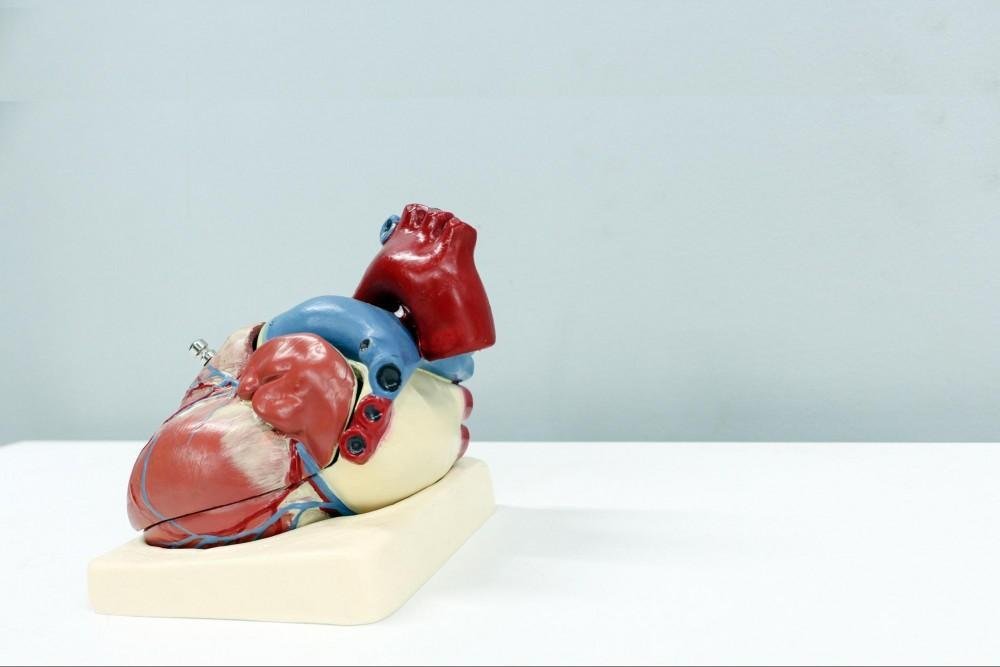

Heart disease is one reason to see a cardiologist, but many of its risk factors are manageable through deliberate lifestyle changes. Adopting a heart-healthy diet is one lifestyle change that can help reduce your risk of heart disease. Regular physical activity, such as brisk walking or cycling, helps to improve cardiovascular health and maintain a healthy weight. Other factors, such as smoking and stress, also influence a person’s risk for heart disease. Here is more information about lifestyle changes and heart disease prevention:
Understanding Heart Disease
A cardiologist will tell you that heart disease is not a single condition but a broad category covering multiple cardiovascular disorders. These conditions share common risk factors, and many are preventable with early intervention. Conditions that fall under the umbrella term of heart disease include:
- Coronary artery disease
- Heart failure
- Arrhythmias
- Heart valve disease
- Peripheral artery disease
Eating for Heart Health
A heart-healthy diet centers on foods that reduce inflammation, and these foods support healthy cholesterol levels. Fruits, vegetables, whole grains, lean proteins, and healthy fats are heart-healthy foods. Healthy fats include those found in olive oil, nuts, and fatty fish. The Mediterranean diet is one that cardiologists frequently recommend because it is linked to reduced cardiovascular risk.
Getting Enough Exercise Weekly
The recommendation for exercise to help prevent heart disease is 150 minutes of moderate-intensity exercise per week. Regular physical activity strengthens the heart muscle and improves circulation; it also helps regulate blood pressure, blood sugar, and cholesterol. Because the heart is a muscle, regular aerobic exercise makes it more efficient over time.
Examples of moderate-intensity exercise include:
- Brisk walking
- Cycling
- Swimming or water aerobics
- Dancing
Even short walks each day can contribute meaningfully to your weekly total. The goal is consistency, and finding activities you enjoy may make that consistency easier to sustain.
Monitoring Your Health Numbers
Knowing your blood pressure, blood sugar, cholesterol levels, and body weight gives you a clearer picture of your cardiovascular risk. High blood pressure, or hypertension, forces the heart to work harder, and it often has no obvious symptoms until serious damage has occurred. Blood sugar levels matter because chronic high blood sugar damages blood vessels and nerves that control the heart.
Cholesterol monitoring helps distinguish between LDL cholesterol, which contributes to arterial plaque buildup, and HDL cholesterol, which helps remove LDL from the bloodstream. Maintaining a healthy weight reduces strain on the heart and lowers the likelihood of developing conditions like type 2 diabetes and hypertension. Regular checkups with your doctor allow you to track these numbers over time, and they can adjust your lifestyle or treatment plan accordingly.
Find a Qualified Cardiologist Today
Diet, exercise, and health monitoring form a strong foundation for heart disease prevention, and each one reinforces the others. Diagnostic tools like an electrocardiogram or an exercise stress test can provide deeper insight into your heart’s current function and your personal risk profile. If you want to learn more about heart health and heart disease prevention, consult a cardiologist near you.
- Understanding the Role of Pediatric Orthopedic Specialists in Children’s Health
- Navigating the Process of STD Testing
- When Should You See an Orthopedic Specialist for Hand Pain?
- Understanding the Different Types of Chemical Peels and Their Uses
- The Science of Skin Elasticity: Unlocking Youthful Texture with Bioactive Peptide Complexes