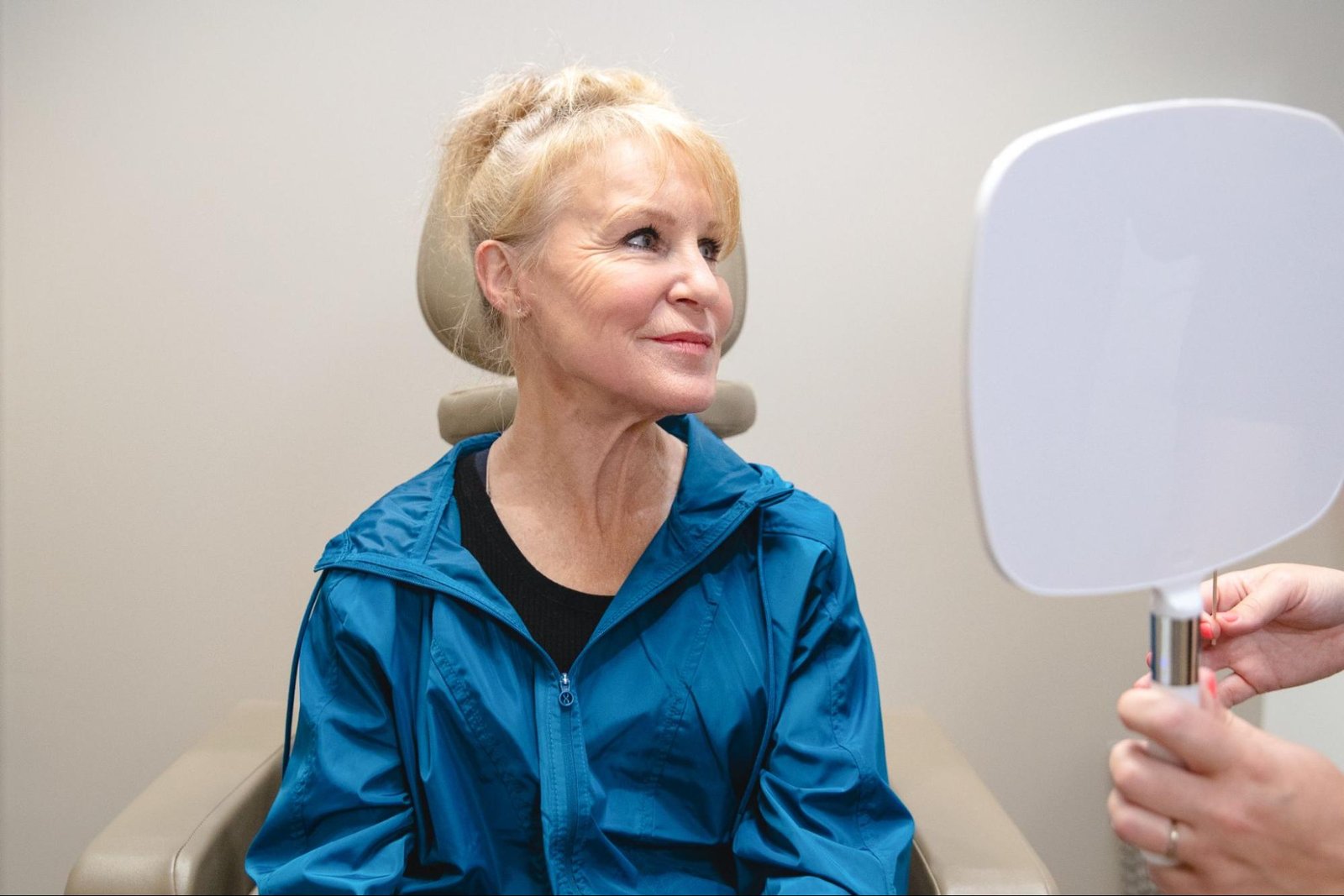
Routine screenings are a significant part of women’s health, helping healthcare providers identify potential concerns before symptoms become more serious. Depending on age, medical history, and individual risk factors, screenings may include breast exams and other preventive evaluations. Here is an overview of the benefits of routine screenings in women’s health:
Identifying Screening Needs
No two screening schedules look exactly alike, and your women’s health plan depends on factors such as age, family history, and current health status. A person in their twenties may follow one set of checks, while someone approaching menopause tracks a different set. Your clinician reviews these details, and together you build a schedule that is tailored to your circumstances.
Personal risk factors influence which tests you need and how often you repeat them. If a close relative had a specific condition, your provider may recommend earlier or more frequent screening. It is helpful to keep a written record of your medical history.
Staying Current With Screenings
Cancer screenings check for cellular or tissue changes that may signal a problem, and they follow age-based schedules set by health guidelines. These tests do not diagnose conditions on their own; instead, they flag areas that need closer review. Here are several screenings that appear frequently in women’s health plans:
- Cervical screening (Pap and HPV tests): These tests collect cells from the cervix to identify abnormal changes and detect human papillomavirus.
- Mammograms: This imaging test examines breast tissue and captures detailed pictures for review.
- Colorectal screening: These tests check the colon and rectum for growths or other changes, often starting at a set age.
- Skin checks: A clinician reviews moles and marks to monitor changes in size, shape, or color.
Each of these tests targets a specific area, and your provider can confirm which ones apply to your age and history.
Monitoring Heart, Bone, and Metabolic Health
Screenings extend well beyond cancer, and some focus on the systems that keep your body running day to day. Heart, bone, and metabolic checks measure factors such as blood pressure, cholesterol, and bone density. These numbers change over time, and tracking them creates a picture of your long-term health trends. Here are the specific functions of these tests:
- Blood pressure readings: This quick check records the force of blood against your artery walls.
- Cholesterol panels: A blood sample measures different types of fats that circulate in your bloodstream.
- Blood sugar tests: These tests measure glucose levels, and they help track metabolic patterns.
- Bone density scans: This imaging test assesses bone strength, and clinicians often recommend it around menopause.
These measurements show how your cardiovascular, skeletal, and metabolic systems perform.
Using Results To Protect Health
Screening results are most valuable when you act on them; your provider translates each number into practical next steps. A result within the expected range confirms your current plan, while a flagged result may prompt further testing. You can ask your clinician to explain what each figure means for your situation.
Your provider compares new results with past results, making small changes easier to identify. Follow-up steps vary depending on the result, and they may include lifestyle discussions, repeat testing, or a referral. You can plan your next screening date before you leave the office; this habit keeps your women’s health schedule on track.
Schedule Your Women’s Health Appointment
Routine screenings collect specific data about your body, and they follow schedules influenced by age, history, and life stage. Maintaining regular screenings is fundamental to monitoring changes over time, and they promote early detection and timely intervention. Keeping thorough records of your appointments and test results fosters better communication with your healthcare provider. Contact a qualified healthcare provider near you to schedule your women’s health appointment today.
- What To Expect During Your First Gynecologist Appointment
- How Hiring Plumbing Services in Glendale Prevents Slab Leaks
- How Historic Homeowners Utilize Plumbing Services in Portland to Prevent Winter Pipe Freezes
- The Role of Regular Check-Ups With Your Gynecologist
- Understanding the Benefits of Non-Surgical Spinal Decompression for Chronic Pain Relief